Alzheimers Disease (Dementia)

What is Alzheimer’s Disease (Dementia)?
Alzheimer’s disease is a progressive, neurodegenerative disorder characterized by a gradual decline in memory, thinking, and functional abilities. It is the leading cause of dementia and mainly affects adults over 65 years of age, although early-onset cases can occur at younger ages. The disease occurs due to the abnormal accumulation of amyloid plaques and tau protein in the brain, leading to neuronal death and brain atrophy (shrinkage).
Additional risk factors include advancing age, family history, cardiovascular health issues such as hypertension, diabetes, and high cholesterol, and possibly prior head injury.
Early Signs and Symptoms of Alzheimer’s Disease
- Memory loss affecting recent events or conversations (episodic memory)
- Forgetting names, misplacing objects, or getting lost on familiar routes
- Difficulty with problem-solving or planning
- Trouble performing familiar tasks, such as handling money or operating appliances
- Confusion about time or place and repeated questioning
- Mood, personality, or behavioral changes
- Social withdrawal and reduced interest in activities
Diagnosis
Diagnosis begins with a detailed evaluation of medical history and presenting symptoms, followed by comprehensive cognitive and neurological assessment. Blood tests may be performed to exclude other potentially reversible causes of cognitive decline.
Brain imaging such as MRI or PET scans may be used to identify structural changes, brain atrophy, and amyloid deposition. Neuropsychological testing helps provide a detailed assessment of various cognitive domains.
Treatment and Management
- Medical management aimed at symptom control and slowing disease progression
- Cognitive stimulation therapies and maintaining structured daily routines
- Use of memory aids and assistive devices
- Nutritional support, regular physical exercise, and mental engagement
- Caregiver education and support to reduce stress and improve quality of care
- Creating a safe environment and planning for progressively increasing care needs
``
More Services
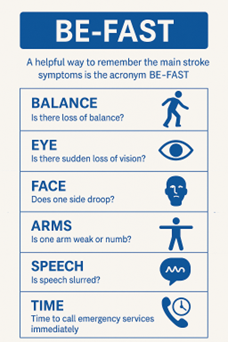
Brain Stroke or Cerebrovascular accident (CVA)
A brain stroke is a medical emergency that occurs when blood flow to the brain reduces

Epilepsy (Fits)
Epilepsy (fits) is a neurological disorder characterized by a tendency to have recurrent

Meningitis and Encephalitis
Meningitis & Encephalitis (Brain Infections): Symptoms, Causes, and Care



Multiple Sclerosis (MS)
Multiple Sclerosis (MS) is a chronic, potentially disabling autoimmune disease
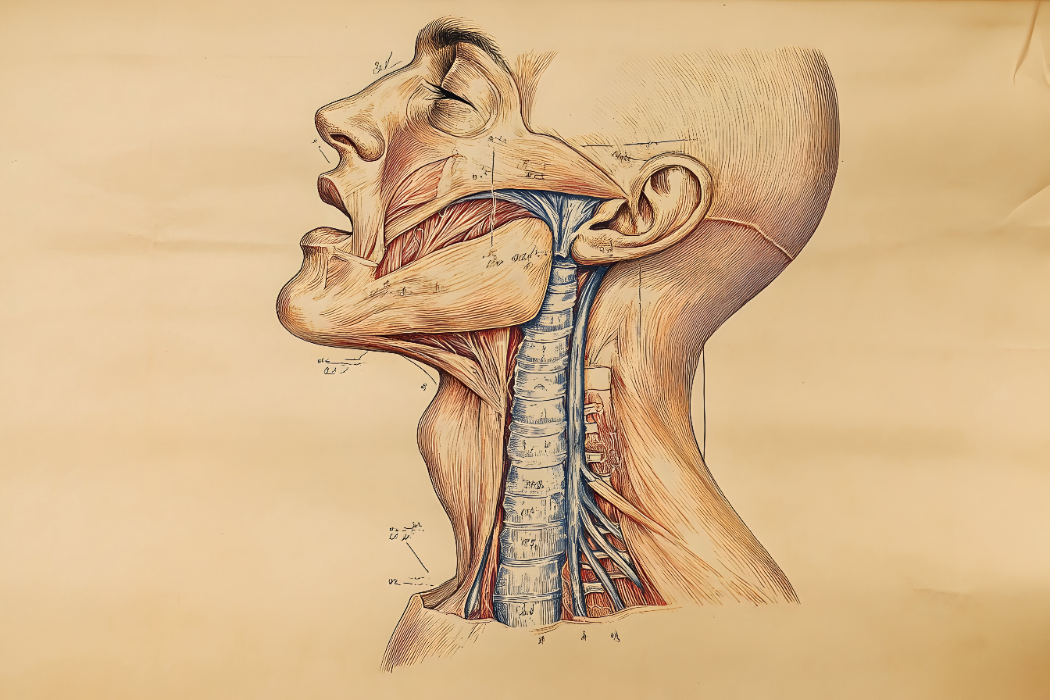
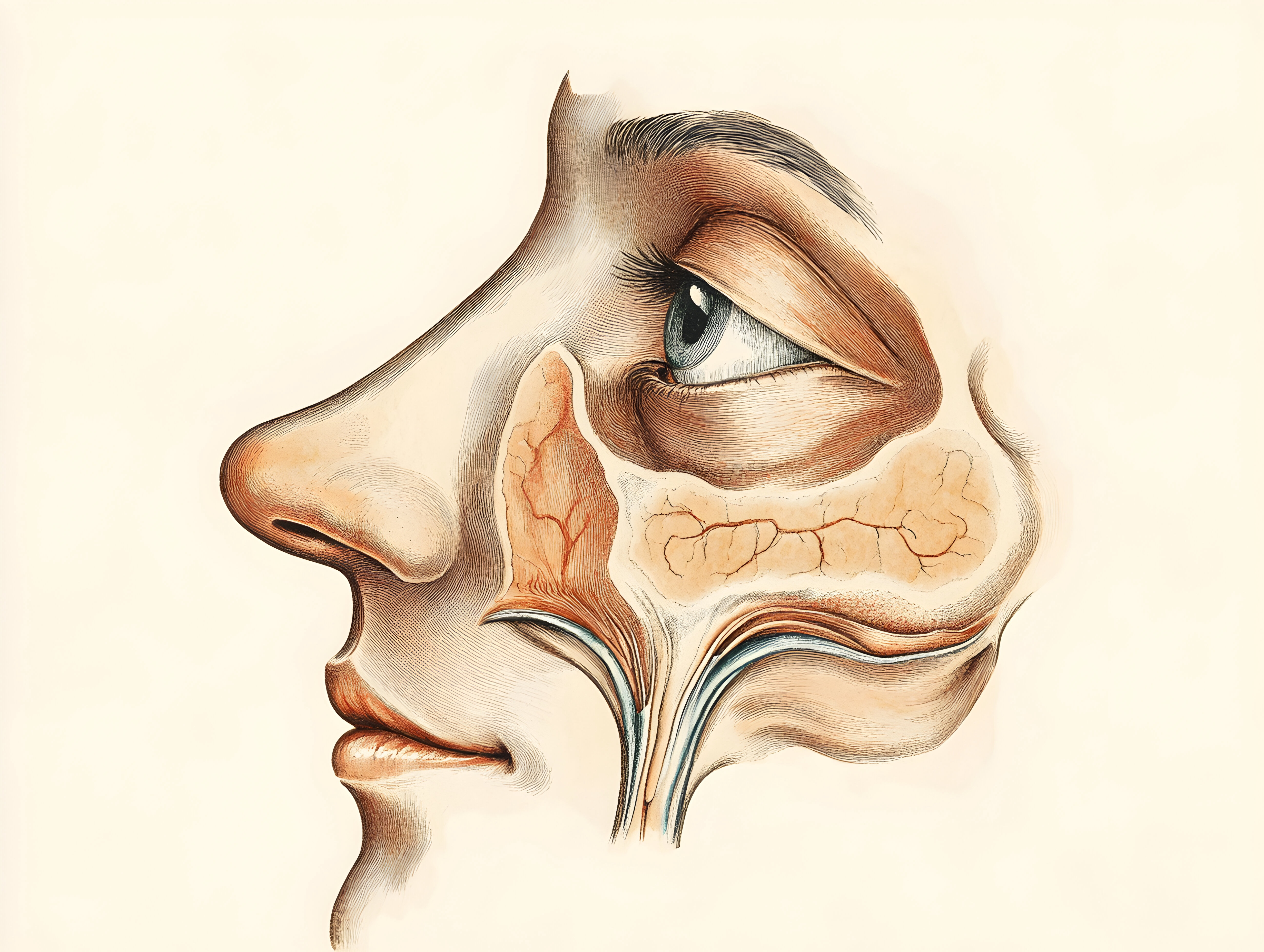
Bells Palsy (Sudden Facial Muscle Weakness)
Bell's Palsy is a condition that causes temporary weakness or paralysis
Neuropathy (Nerve Damage)
Neuropathy, or peripheral neuropathy is a condition where nerves outside the brain


Vertigo Causes Symptoms and Treatment
Vertigo is a sensation of spinning or dizziness, often described as feeling

Guillain-Barre Syndrome or GB-Syndrome
Guillain-Barre Syndrome (GBS) is a rare but serious neurological disorder in which the body’s immune system