Epilepsy (Fits)

What is Epilepsy?
Epilepsy (fits) is a neurological disorder characterized by a tendency to have recurrent, unprovoked seizures. Seizures are sudden bursts of abnormal electrical activity in the brain. Epilepsy can affect individuals of any age and may occur due to genetic factors, brain injuries, infections, or sometimes with no identifiable cause.
Symptoms of Epilepsy
Epileptic seizures can manifest in various ways, including:
- Temporary confusion, staring episodes, or rapid eye blinking (especially in children)
- Jerking movements of the arms and legs or stiffening of the body
- Brief loss of consciousness
Causes of Epilepsy
- Neurological causes such as head injury, stroke, or brain tumors
- Brain infections, including meningoencephalitis
- Family history of epilepsy, increasing the risk
- Developmental disorders or brain damage occurring during childbirth
- Idiopathic epilepsy, where no specific cause is identified
Types of Epilepsy
Epileptic seizures are broadly classified into two main types:
-
Generalized Epilepsy:
This type affects the entire brain simultaneously. Common forms include tonic-clonic seizures (formerly known as grand mal) and absence seizures. During a tonic-clonic seizure, a person may lose consciousness and experience violent muscle contractions.
-
Focal Epilepsy:
These seizures begin in a specific part of the brain and may stay localized or spread to other areas.
Treatment Options for Epilepsy
Managing epilepsy involves different treatment approaches based on individual needs and response:
-
Anti-seizure Medications:
A wide range of medications are available and can effectively control seizures in many individuals.
-
Surgical Interventions:
For individuals whose seizures do not respond to medications, surgical treatment may be considered after detailed evaluation.
-
Dietary Changes:
In cases of drug-resistant epilepsy, dietary therapies such as the ketogenic diet may be helpful.
More Services
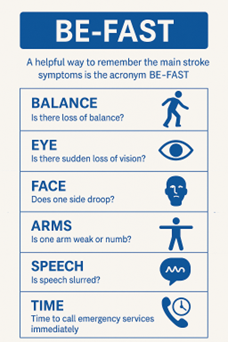
Brain Stroke or Cerebrovascular accident (CVA)
A brain stroke is a medical emergency that occurs when blood flow to the brain reduces

Meningitis and Encephalitis
Meningitis & Encephalitis (Brain Infections): Symptoms, Causes, and Care
Alzheimers Disease (Dementia)
Alzheimer’s disease (Dementia) is a progressive, neurodegenerative disorder characterized by gradual decline in memory.



Multiple Sclerosis (MS)
Multiple Sclerosis (MS) is a chronic, potentially disabling autoimmune disease
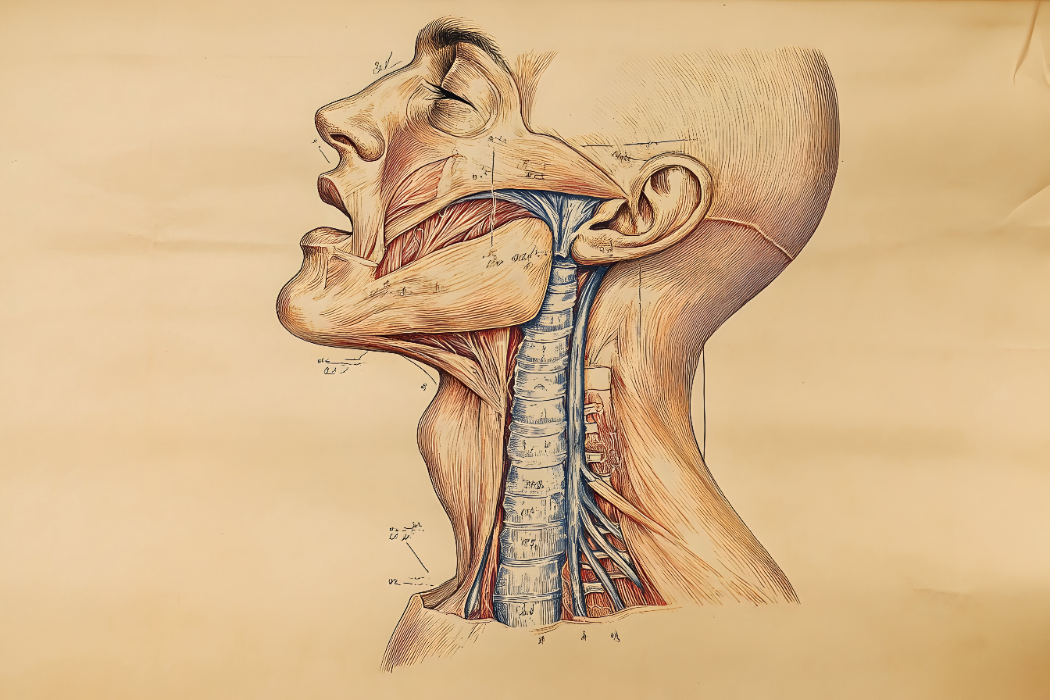
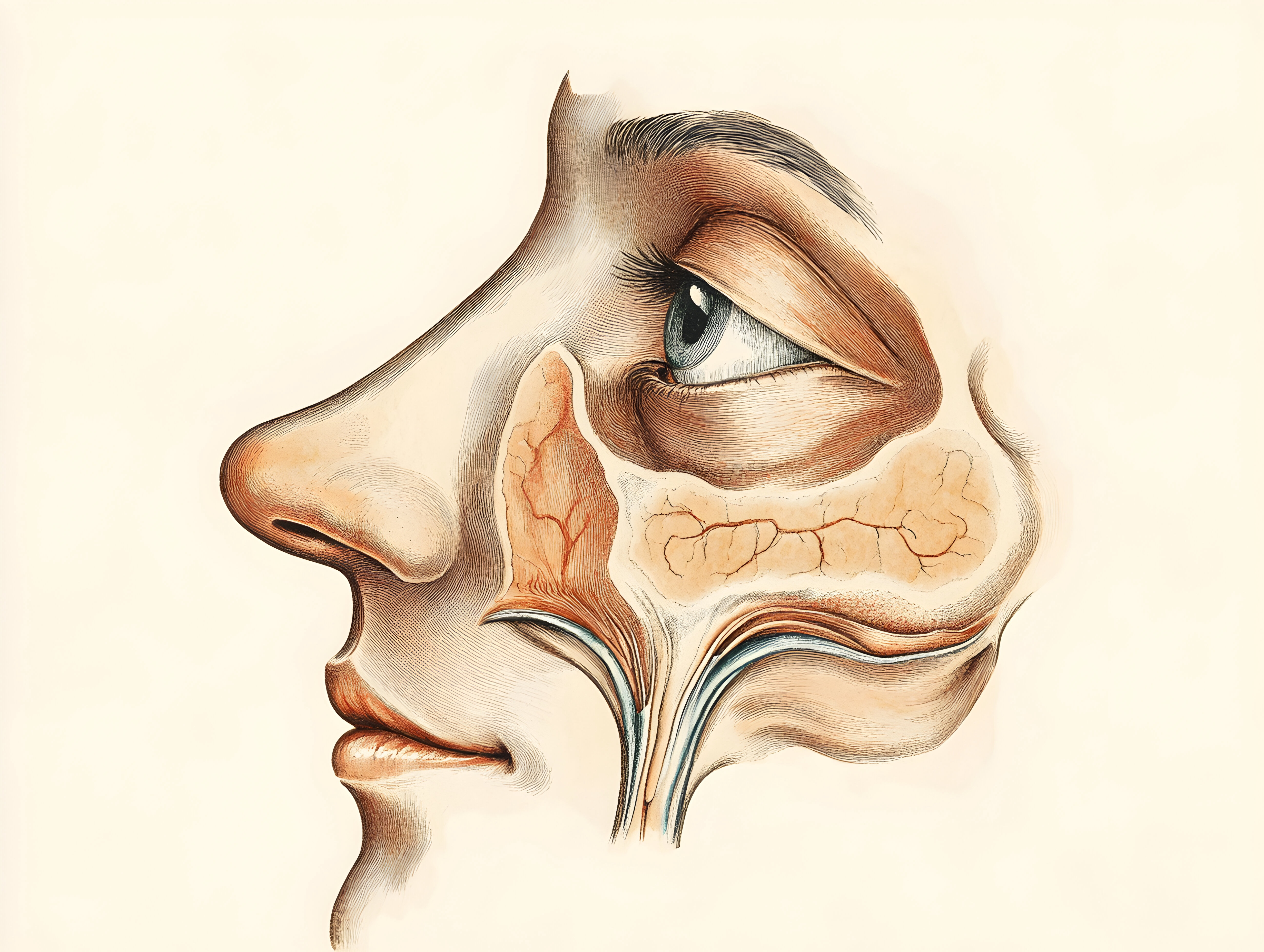
Bells Palsy (Sudden Facial Muscle Weakness)
Bell's Palsy is a condition that causes temporary weakness or paralysis
Neuropathy (Nerve Damage)
Neuropathy, or peripheral neuropathy is a condition where nerves outside the brain

Vertigo Causes Symptoms and Treatment
Vertigo is a sensation of spinning or dizziness, often described as feeling

Guillain-Barre Syndrome or GB-Syndrome
Guillain-Barre Syndrome (GBS) is a rare but serious neurological disorder in which the body’s immune system