Migraine (Headache)

What is Migraine?
Migraine is a common yet complex neurological condition characterized by recurrent, intense headaches often accompanied by other disabling symptoms. Unlike regular headaches, migraines typically cause throbbing or pulsating pain, usually on one side of the head, and can last from a few hours to several days.
Symptoms
Migraine symptoms vary from person to person but commonly include:
- Moderate to severe head pain, often on one side
- Nausea and vomiting
- Sensitivity to light, sound, or smell
Phases of a Migraine Attack
A migraine attack may occur in four distinct phases:
-
Prodrome:
Subtle early symptoms such as mood swings, food cravings, or neck stiffness
-
Aura:
Visual or sensory disturbances experienced by some individuals
-
Attack:
The headache phase, lasting from 4 to 72 hours
-
Postdrome:
Exhaustion, confusion, or weakness after the headache subsides
Causes and Triggers
The exact cause of migraine is not fully understood, but it is believed to involve abnormal brain activity affecting nerve signals, chemicals, and blood vessels. Common triggers include:
- Stress or emotional anxiety
- Hormonal changes, especially in women
- Certain foods such as cheese, chocolate, caffeine, and alcohol
- Skipping meals or irregular eating habits
- Sleep disturbances or changes in sleep patterns
- Bright lights, strong smells, or loud noises
- Weather or environmental changes
Treatment
Migraine treatment focuses on relieving symptoms and preventing future attacks through appropriate medications and lifestyle modifications. Recent advances in migraine management include newer approved medications, Botox injections, and nerve block therapies.
Living with Migraine
Migraine can significantly affect quality of life. Maintaining a headache diary to identify triggers and working closely with a Neurologist can help reduce the frequency and severity of attacks. Many individuals also find relief through home remedies and lifestyle adjustments.
With proper treatment and preventive strategies, most people with migraine can effectively manage their condition and lead a comfortable, productive life.
More Services
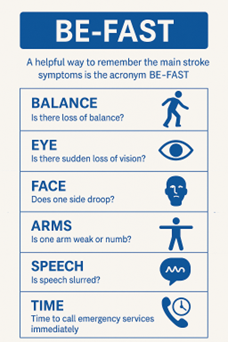
Brain Stroke or Cerebrovascular accident (CVA)
A brain stroke is a medical emergency that occurs when blood flow to the brain reduces

Epilepsy (Fits)
Epilepsy (fits) is a neurological disorder characterized by a tendency to have recurrent
Meningitis and Encephalitis
Meningitis & Encephalitis (Brain Infections): Symptoms, Causes, and Care
Alzheimers Disease (Dementia)
Alzheimer’s disease (Dementia) is a progressive, neurodegenerative disorder characterized by gradual decline in memory.

Multiple Sclerosis (MS)
Multiple Sclerosis (MS) is a chronic, potentially disabling autoimmune disease
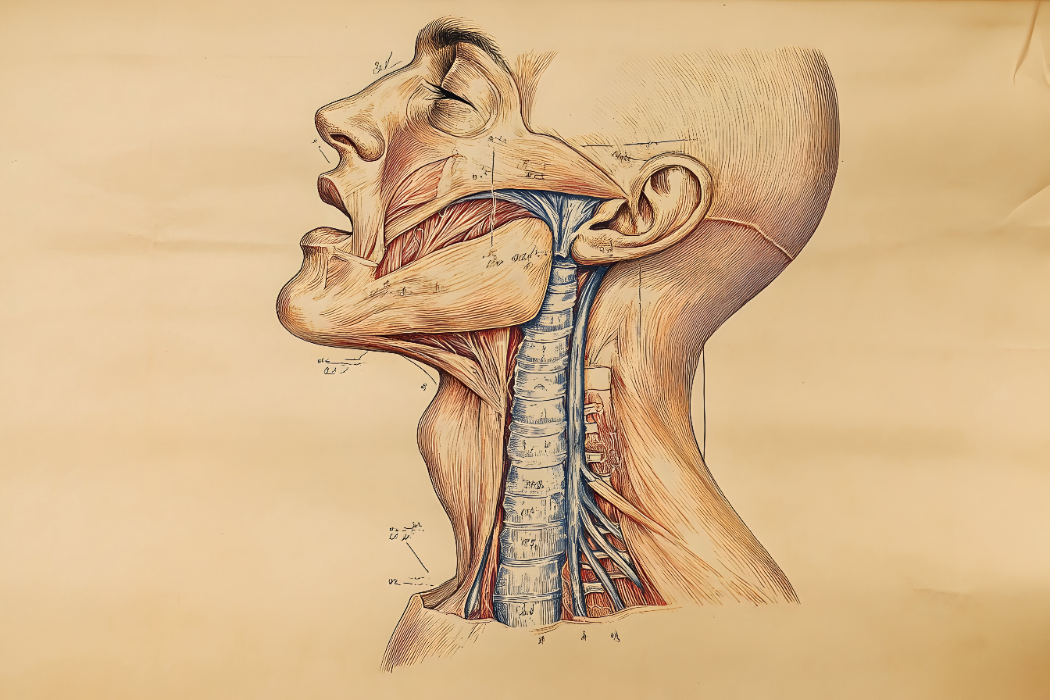
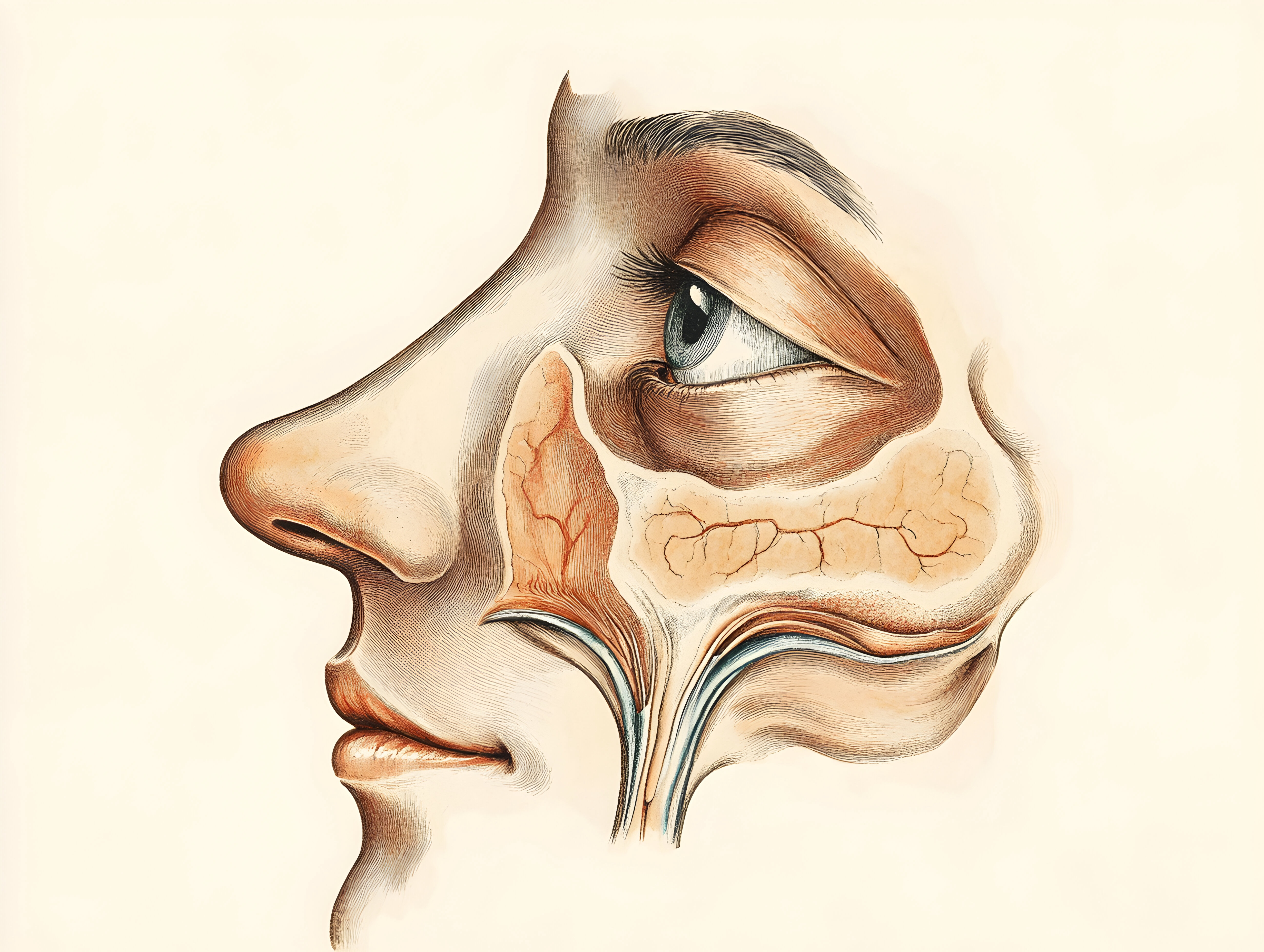
Bells Palsy (Sudden Facial Muscle Weakness)
Bell's Palsy is a condition that causes temporary weakness or paralysis
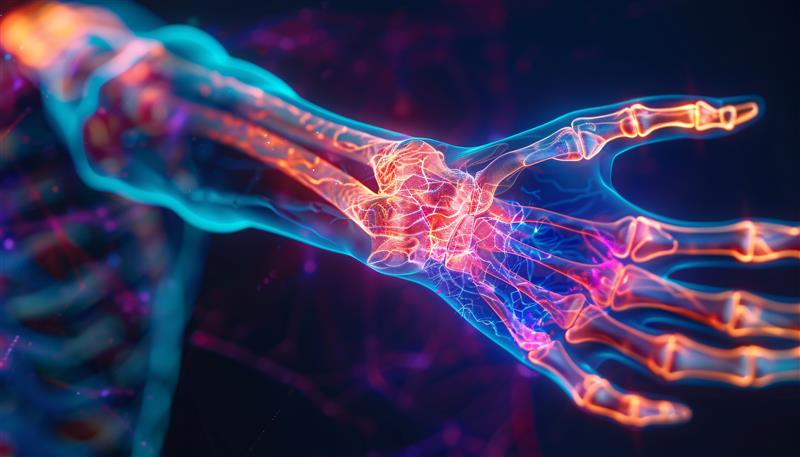
Neuropathy (Nerve Damage)
Neuropathy, or peripheral neuropathy is a condition where nerves outside the brain

Vertigo Causes Symptoms and Treatment
Vertigo is a sensation of spinning or dizziness, often described as feeling

Guillain-Barre Syndrome or GB-Syndrome
Guillain-Barre Syndrome (GBS) is a rare but serious neurological disorder in which the body’s immune system