Multiple Sclerosis (MS)

What is Multiple Sclerosis (MS)?
Multiple Sclerosis (MS) is a chronic, potentially disabling autoimmune disease that affects the central nervous system (CNS), which includes the brain and spinal cord. In MS, the immune system attacks the myelin sheath—the protective covering of nerve fibers—causing inflammation and damage. This disrupts the normal transmission of electrical signals along nerves, leading to a wide range of physical and cognitive symptoms.
Types of Multiple Sclerosis
-
Relapsing-Remitting Multiple Sclerosis (RRMS):
Characterized by episodes of new or worsening symptoms (relapses) followed by periods of partial or complete recovery (remissions).
-
Secondary-Progressive Multiple Sclerosis (SPMS):
Develops from RRMS and is marked by a gradual worsening of neurological function over time.
-
Primary-Progressive Multiple Sclerosis (PPMS):
Characterized by a steady progression of symptoms from the onset, without early relapses or remissions.
Symptoms
Symptoms of MS vary depending on the location and severity of nerve damage and may include:
- Fatigue
- Numbness or tingling, often affecting the limbs
- Muscle weakness, stiffness, or spasms
- Vision problems such as blurred or double vision, optic neuritis, or loss of color vision
- Difficulty with balance and coordination
- Dizziness or vertigo
- Bladder and bowel dysfunction
- Cognitive changes involving memory, attention, or focus
- Emotional disturbances including depression and anxiety
Symptoms may appear intermittently with periods of remission or may progressively worsen over time.
Causes and Risk Factors
The exact cause of MS is unknown, but it is believed to result from an interaction between genetic predisposition and environmental factors such as viral infections. Several risk factors have been identified:
- Age, most commonly between 20 and 40 years
- Female gender
- Family history of Multiple Sclerosis
- Vitamin D deficiency
- Smoking
- Geographic location, with higher prevalence in cooler climates
Diagnosis
Diagnosis of Multiple Sclerosis is made using a combination of clinical evaluation and investigations:
- Detailed neurological examination
- MRI of the brain and spinal cord showing characteristic lesions or plaques
- Lumbar puncture to detect abnormalities in cerebrospinal fluid
- Evoked potential testing to assess nerve signal transmission
Treatment
Treatment focuses on controlling symptoms, modifying the disease course, and improving quality of life:
- Disease-modifying therapies (DMTs) to reduce relapse frequency and slow disease progression
- Steroids to reduce inflammation during acute relapses
- Symptomatic treatments for fatigue, spasticity, pain, bladder dysfunction, and mood disorders
- Rehabilitation including physiotherapy, occupational therapy, and cognitive training
Living with Multiple Sclerosis
With early diagnosis and comprehensive, multidisciplinary care, many individuals with MS are able to lead active and fulfilling lives. Stress management, regular physical activity, healthy lifestyle choices, and a strong support system play an important role in improving outcomes.
Ongoing research continues to provide hope, and significant advances have been made in recent years toward slowing disease progression and improving long-term quality of life for people living with this complex neurological disorder.
More Services
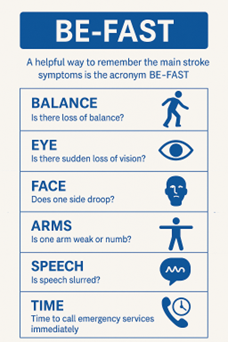
Brain Stroke or Cerebrovascular accident (CVA)
A brain stroke is a medical emergency that occurs when blood flow to the brain reduces

Epilepsy (Fits)
Epilepsy (fits) is a neurological disorder characterized by a tendency to have recurrent

Meningitis and Encephalitis
Meningitis & Encephalitis (Brain Infections): Symptoms, Causes, and Care

Alzheimers Disease (Dementia)
Alzheimer’s disease (Dementia) is a progressive, neurodegenerative disorder characterized by gradual decline in memory.


Bells Palsy (Sudden Facial Muscle Weakness)
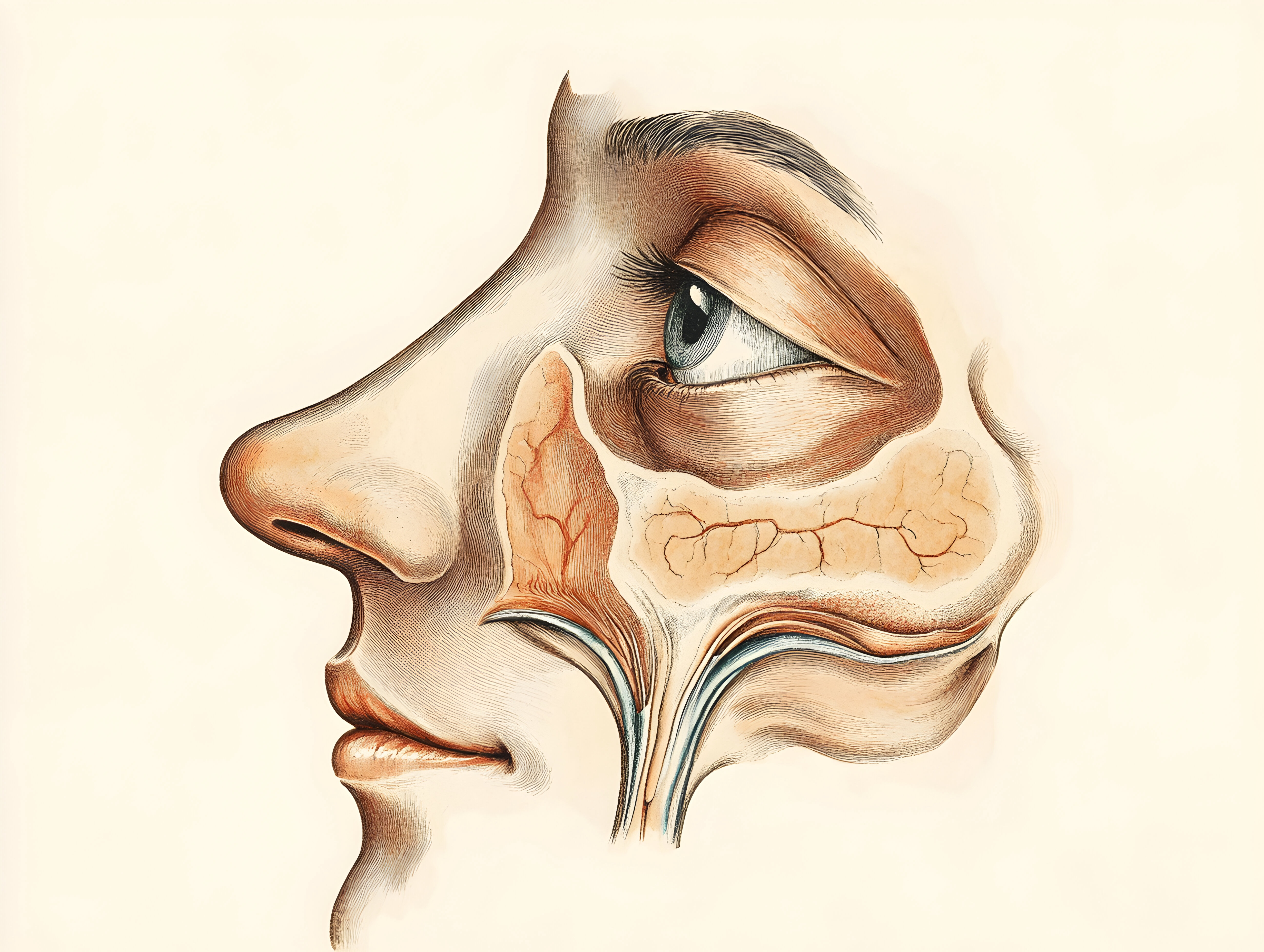
Bell's Palsy is a condition that causes temporary weakness or paralysis
Neuropathy (Nerve Damage)
Neuropathy, or peripheral neuropathy is a condition where nerves outside the brain


Vertigo Causes Symptoms and Treatment
Vertigo is a sensation of spinning or dizziness, often described as feeling

Guillain-Barre Syndrome or GB-Syndrome
Guillain-Barre Syndrome (GBS) is a rare but serious neurological disorder in which the body’s immune system