Neuropathy (Nerve Damage)
What is Neuropathy?
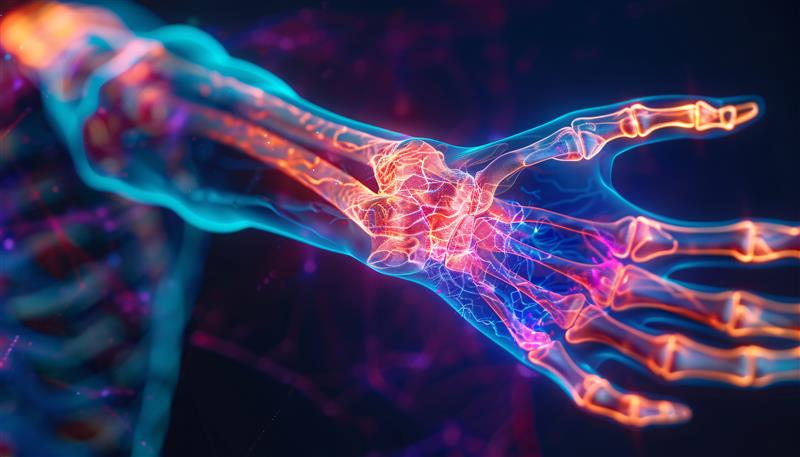
Neuropathy, also known as peripheral neuropathy, is a condition in which nerves outside the brain and spinal cord are damaged. These peripheral nerves are responsible for movement, sensation, and involuntary body functions. Damage to these nerves can cause symptoms affecting the arms, legs, hands, feet, and sometimes internal organs.
Types of Neuropathies
-
Sensory Neuropathy:
Affects sensory nerves, leading to symptoms such as numbness, tingling, or burning sensations.
-
Motor Neuropathy:
Affects motor nerves, causing muscle weakness, cramps, or twitching.
-
Autonomic Neuropathy:
Affects nerves that control involuntary functions such as heart rate, digestion, and blood pressure.
Common Symptoms of Neuropathy
- Numbness or tingling in the hands and feet
- Burning, stabbing, or shooting pain
- Muscle weakness or twitching
- Loss of coordination or balance
- Digestive problems, dizziness, or irregular heartbeat (in autonomic neuropathy)
- Symptoms may be constant or fluctuate and often worsen at night
Causes of Neuropathy
- Diabetes mellitus (most common cause)
- Vitamin deficiencies, especially Vitamin B12
- Infections such as shingles or HIV
- Chronic alcohol abuse
- Autoimmune disorders including lupus and rheumatoid arthritis
- Certain medications or chemotherapy drugs
- Physical injuries or repetitive stress
- Idiopathic neuropathy, where no specific cause is identified
Diagnosis of Neuropathy
Diagnosis involves a detailed clinical evaluation and may include nerve and muscle function tests such as nerve conduction studies and electromyography (EMG). Blood tests are used to identify underlying causes, and in selected cases, a nerve biopsy may be required.
Treatment
Treatment focuses on managing the underlying cause and alleviating symptoms. This may include medications for neuropathic pain, physiotherapy to maintain strength and balance, and lifestyle modifications. Effective blood sugar control, avoiding alcohol, and ensuring proper nutrition play a crucial role in preventing progression and improving outcomes.
More Services
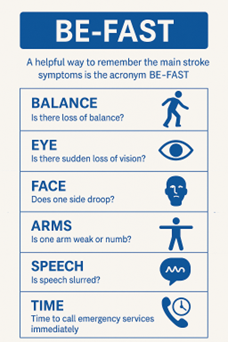
Brain Stroke or Cerebrovascular accident (CVA)
A brain stroke is a medical emergency that occurs when blood flow to the brain reduces

Epilepsy (Fits)
Epilepsy (fits) is a neurological disorder characterized by a tendency to have recurrent

Meningitis and Encephalitis
Meningitis & Encephalitis (Brain Infections): Symptoms, Causes, and Care
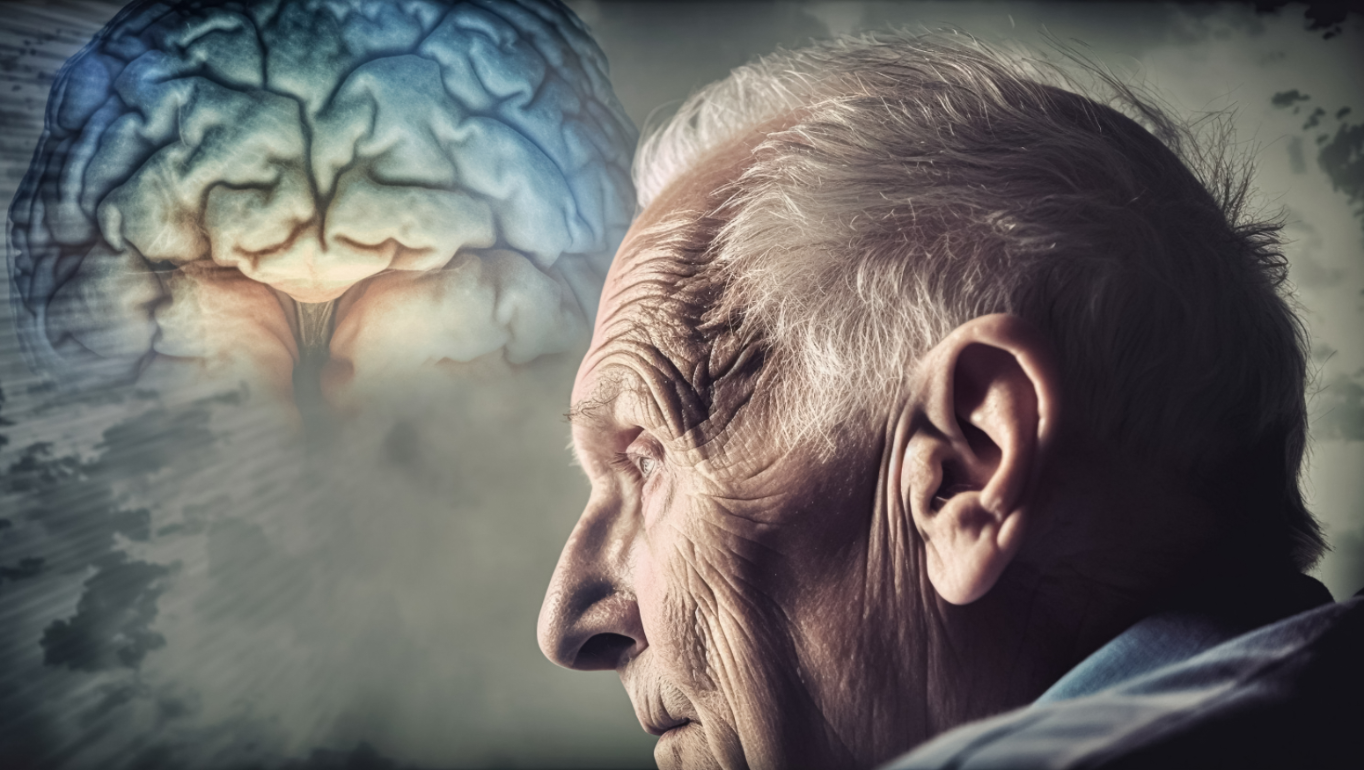
Alzheimers Disease (Dementia)
Alzheimer’s disease (Dementia) is a progressive, neurodegenerative disorder characterized by gradual decline in memory.



Multiple Sclerosis (MS)
Multiple Sclerosis (MS) is a chronic, potentially disabling autoimmune disease
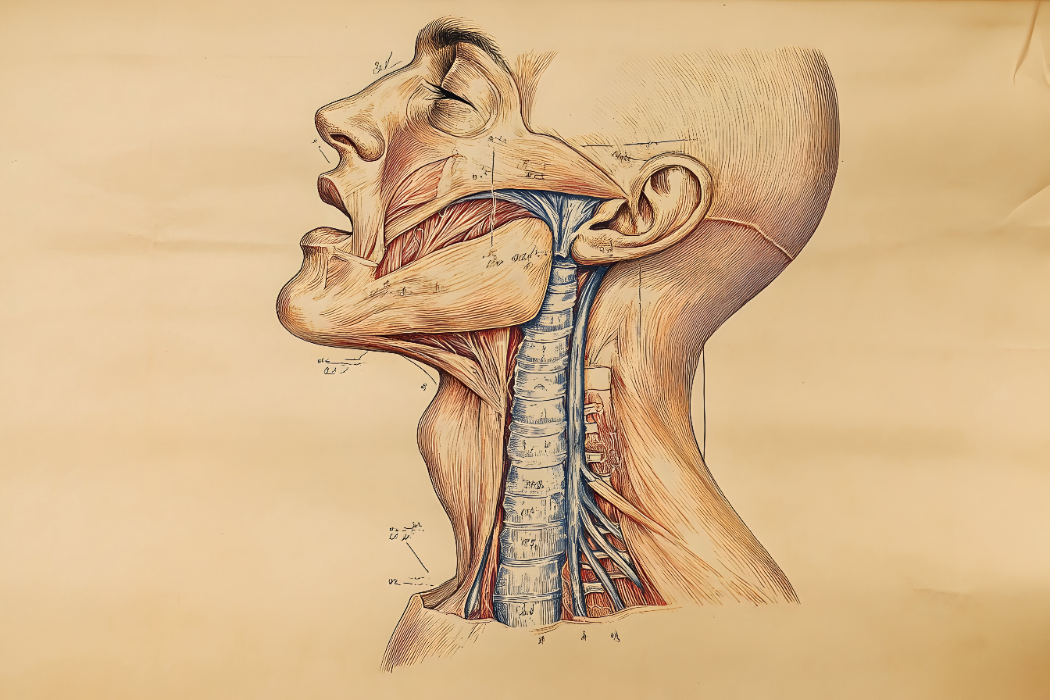
Bells Palsy (Sudden Facial Muscle Weakness)
Bell's Palsy is a condition that causes temporary weakness or paralysis

Vertigo Causes Symptoms and Treatment
Vertigo is a sensation of spinning or dizziness, often described as feeling

Guillain-Barre Syndrome or GB-Syndrome
Guillain-Barre Syndrome (GBS) is a rare but serious neurological disorder in which the body’s immune system