Myasthenia Gravis
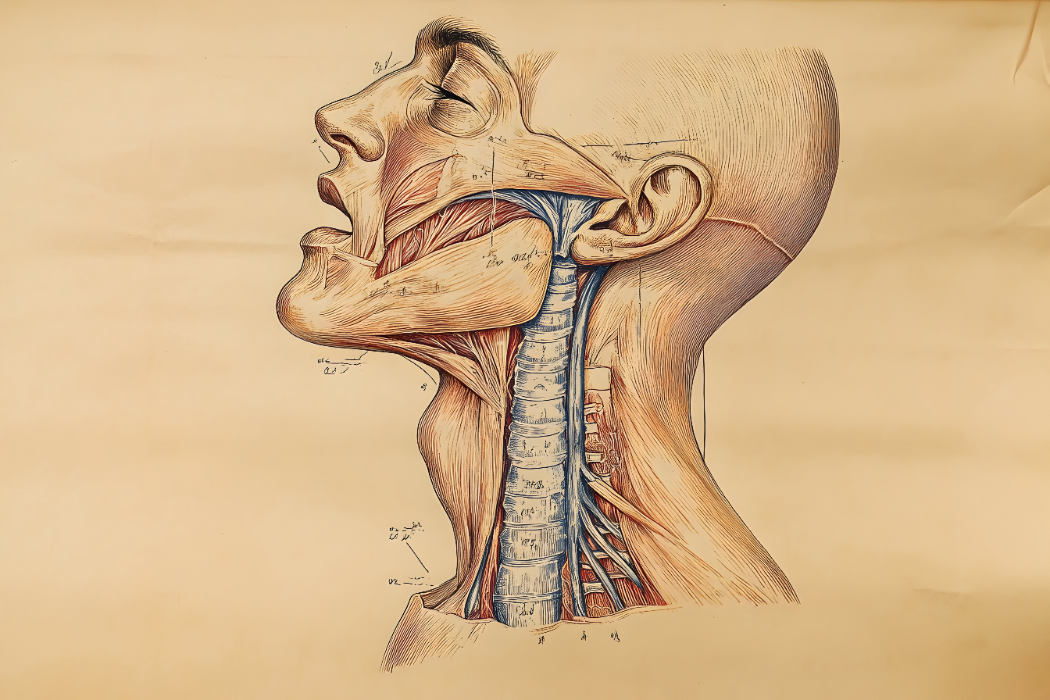
What is Myasthenia Gravis?
Myasthenia Gravis is a chronic autoimmune neuromuscular disorder that causes weakness of voluntary muscles, which are responsible for actions such as talking, chewing, breathing, and walking. The hallmark feature of this condition is muscle weakness that worsens with activity and improves with rest.
Causes
Myasthenia Gravis occurs when the body’s immune system produces antibodies that block or destroy acetylcholine receptors at the neuromuscular junction—the site where nerves communicate with muscles. This disruption prevents proper signal transmission, resulting in weak muscle contractions.
Common Symptoms
Symptoms may vary in severity but commonly include:
- Drooping eyelids (ptosis)
- Double vision (diplopia)
- Difficulty swallowing or speaking
- Facial muscle weakness
- Fatigue affecting the arms, legs, or neck
- Shortness of breath, especially after physical exertion
Symptoms often worsen as the day progresses or with repeated muscle use and improve after rest. In severe cases, weakness of the respiratory muscles can lead to a myasthenic crisis, which is a medical emergency requiring immediate treatment.
Who is Affected?
Myasthenia Gravis can affect individuals of any age but is more commonly seen in:
- Women under 40 years of age
- Men over 60 years of age
- Individuals with a history of autoimmune disorders such as thyroid disease or rheumatoid arthritis
Diagnosis
Diagnosis of Myasthenia Gravis is based on the following investigations:
- Blood tests to detect antibodies such as anti-AChR or anti-MuSK
- Repetitive nerve stimulation studies
- CT scan or MRI of the chest to evaluate the thymus gland
Treatment
- Medications such as cholinesterase inhibitors and immunosuppressants
- Plasma exchange or intravenous immunoglobulin (IVIG), usually used in severe cases
- Thymectomy (surgical removal of the thymus), particularly when a thymoma is present
Prognosis
With appropriate treatment and lifestyle modifications, many individuals with Myasthenia Gravis are able to live full and active lives. Avoiding stress, infections, and excessive physical exertion can help reduce symptom flare-ups. Regular follow-up with a neurologist is essential to monitor disease progression and optimize treatment.
More Services
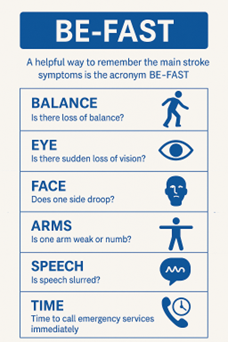
Brain Stroke or Cerebrovascular accident (CVA)
A brain stroke is a medical emergency that occurs when blood flow to the brain reduces

Epilepsy (Fits)
Epilepsy (fits) is a neurological disorder characterized by a tendency to have recurrent

Meningitis and Encephalitis
Meningitis & Encephalitis (Brain Infections): Symptoms, Causes, and Care
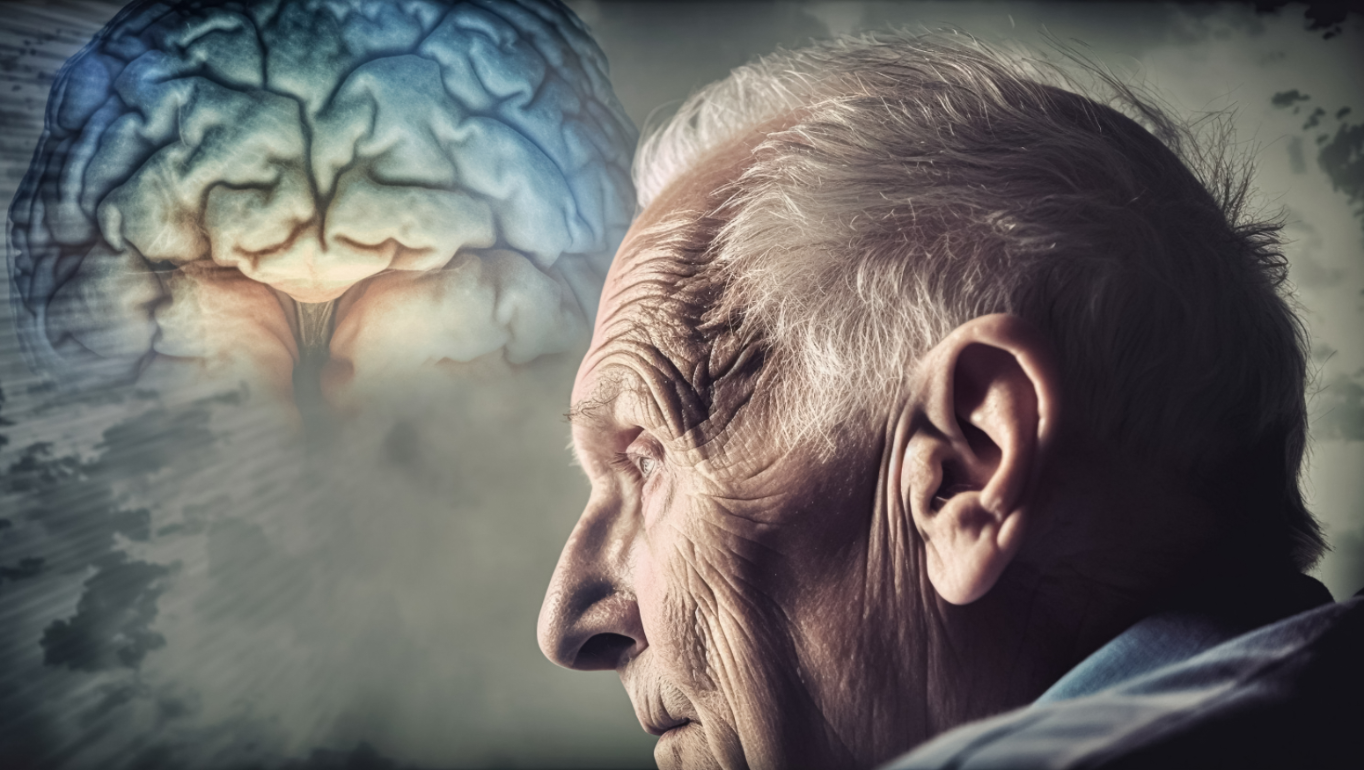
Alzheimers Disease (Dementia)
Alzheimer’s disease (Dementia) is a progressive, neurodegenerative disorder characterized by gradual decline in memory.



Multiple Sclerosis (MS)
Multiple Sclerosis (MS) is a chronic, potentially disabling autoimmune disease
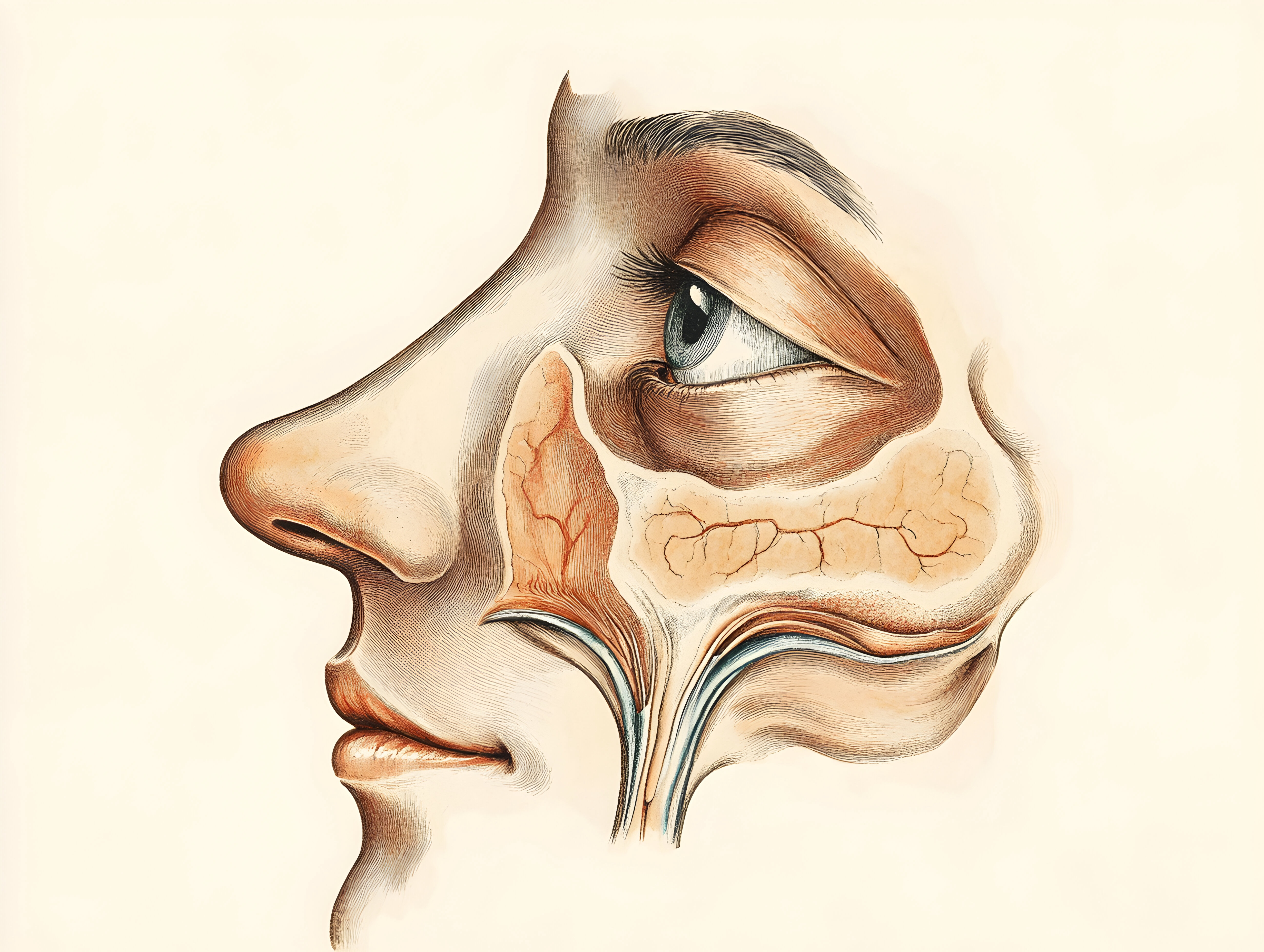
Bells Palsy (Sudden Facial Muscle Weakness)
Bell's Palsy is a condition that causes temporary weakness or paralysis
Neuropathy (Nerve Damage)
Neuropathy, or peripheral neuropathy is a condition where nerves outside the brain

Vertigo Causes Symptoms and Treatment
Vertigo is a sensation of spinning or dizziness, often described as feeling

Guillain-Barre Syndrome or GB-Syndrome
Guillain-Barre Syndrome (GBS) is a rare but serious neurological disorder in which the body’s immune system