Vertigo Causes Symptoms and Treatment

What is Vertigo?
Vertigo is a sensation of spinning or dizziness, often described as the feeling that you or your surroundings are moving when they are not. It usually indicates a problem within the inner ear or the vestibular system, which is responsible for maintaining balance.
Common Causes of Vertigo
-
Benign Paroxysmal Positional Vertigo (BPPV):
The most common cause of vertigo, triggered by specific head movements due to displacement of inner ear crystals.
-
Vestibular Neuritis or Labyrinthitis:
Inflammation of the vestibular nerve or inner ear, often following a viral infection.
-
Meniere’s Disease:
Caused by excess fluid buildup in the inner ear and commonly associated with hearing loss and tinnitus.
-
Migraine-Associated Vertigo:
Episodes of dizziness or vertigo occurring in association with migraine headaches.
-
Other Causes:
Head injury, certain medications, or neurological conditions such as stroke or multiple sclerosis.
Symptoms of Vertigo
- Spinning or whirling sensation
- Imbalance or unsteadiness
- Nausea or vomiting
- Headache
- Tinnitus (ringing in the ears)
- Hearing loss in some cases
Diagnosis and Evaluation
Diagnosis of vertigo involves careful evaluation to identify the underlying cause and may include:
- Detailed medical history
- Physical and neurological examination
- Vestibular function tests
- Audiometry, MRI, or CT scan when indicated
Treatment Options
Treatment depends on the cause of vertigo and aims to relieve symptoms and restore balance. Common treatment options include:
- Medications for symptom relief
- Repositioning maneuvers such as the Epley maneuver for BPPV
- Vestibular rehabilitation therapy (VRT)
When to Seek Medical Help
Immediate medical attention is required if vertigo is sudden, severe, or associated with other neurological symptoms such as double vision, slurred speech, weakness, or difficulty walking. Consultation with a Neurologist is advised in such cases.
More Services
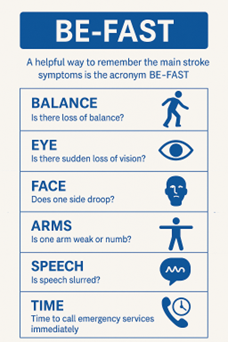
Brain Stroke or Cerebrovascular accident (CVA)
A brain stroke is a medical emergency that occurs when blood flow to the brain reduces

Epilepsy (Fits)
Epilepsy (fits) is a neurological disorder characterized by a tendency to have recurrent

Meningitis and Encephalitis
Meningitis & Encephalitis (Brain Infections): Symptoms, Causes, and Care
Alzheimers Disease (Dementia)
Alzheimer’s disease (Dementia) is a progressive, neurodegenerative disorder characterized by gradual decline in memory.


Multiple Sclerosis (MS)
Multiple Sclerosis (MS) is a chronic, potentially disabling autoimmune disease
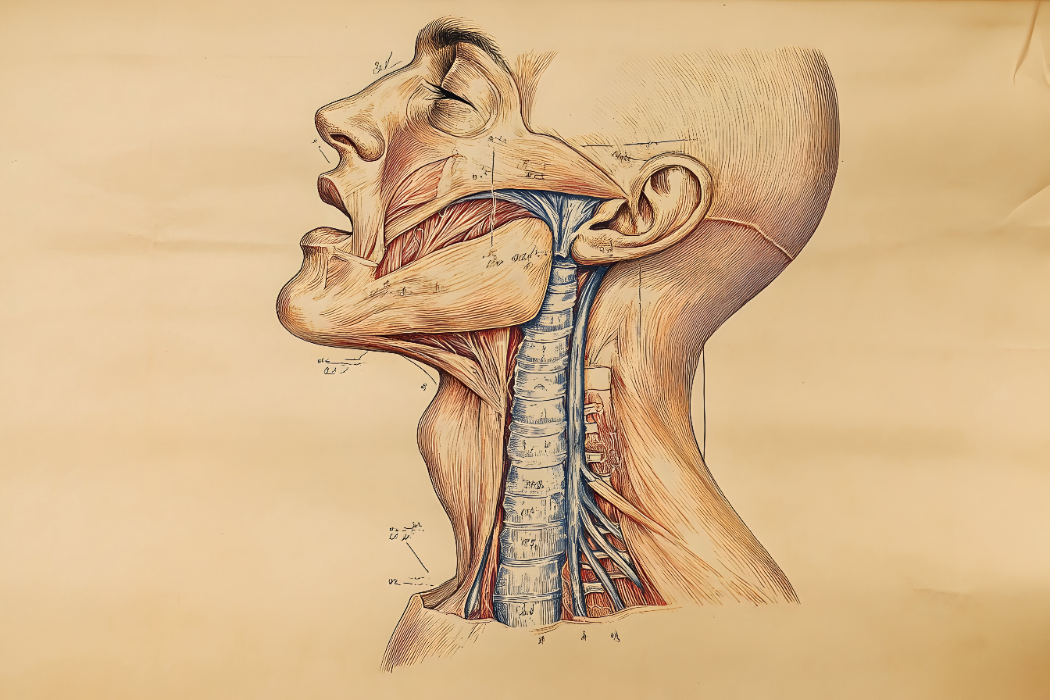
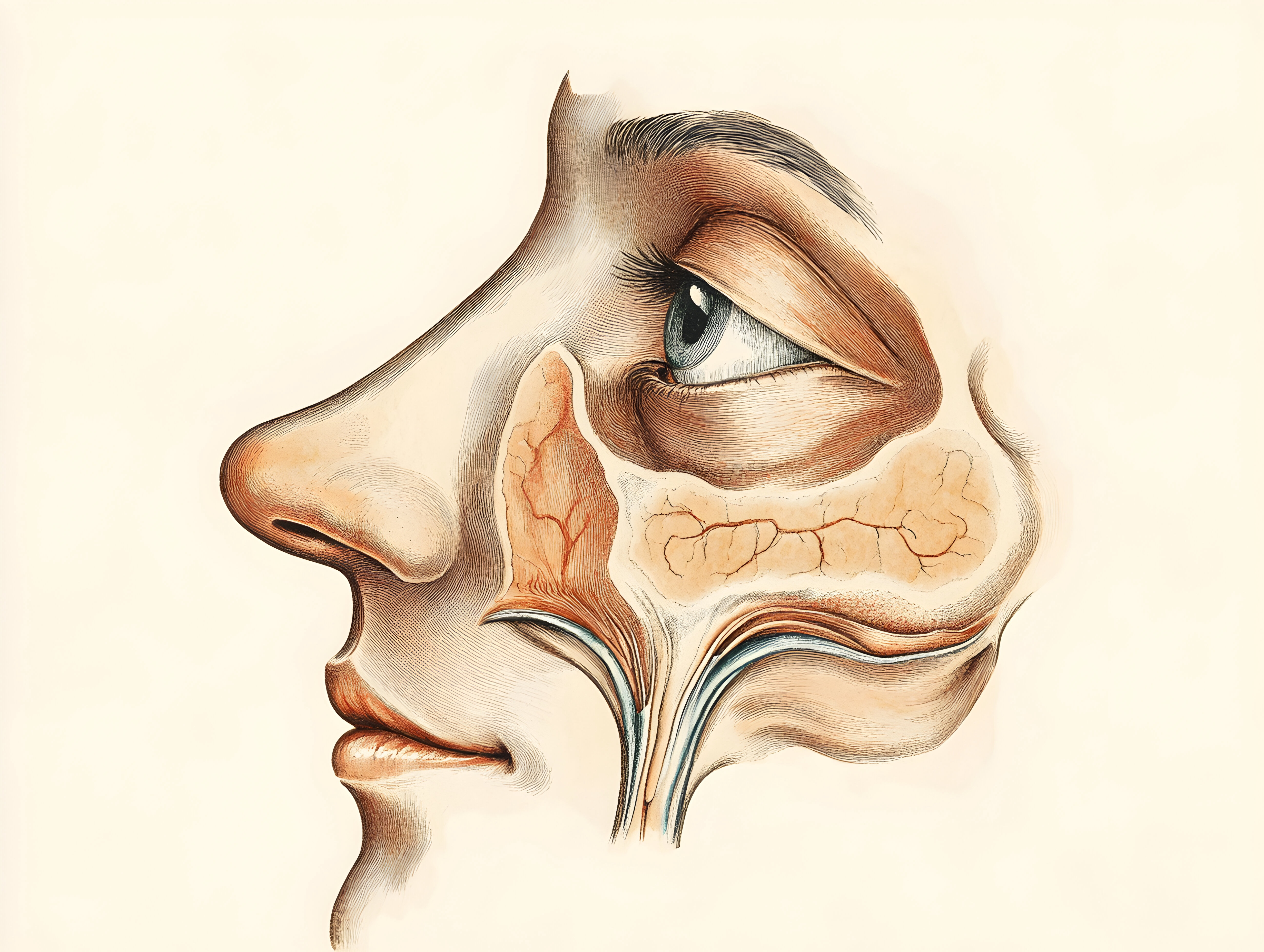
Bells Palsy (Sudden Facial Muscle Weakness)
Bell's Palsy is a condition that causes temporary weakness or paralysis
Neuropathy (Nerve Damage)
Neuropathy, or peripheral neuropathy is a condition where nerves outside the brain


Guillain-Barre Syndrome or GB-Syndrome
Guillain-Barre Syndrome (GBS) is a rare but serious neurological disorder in which the body’s immune system