Bells Palsy (Sudden Facial Muscle Weakness)
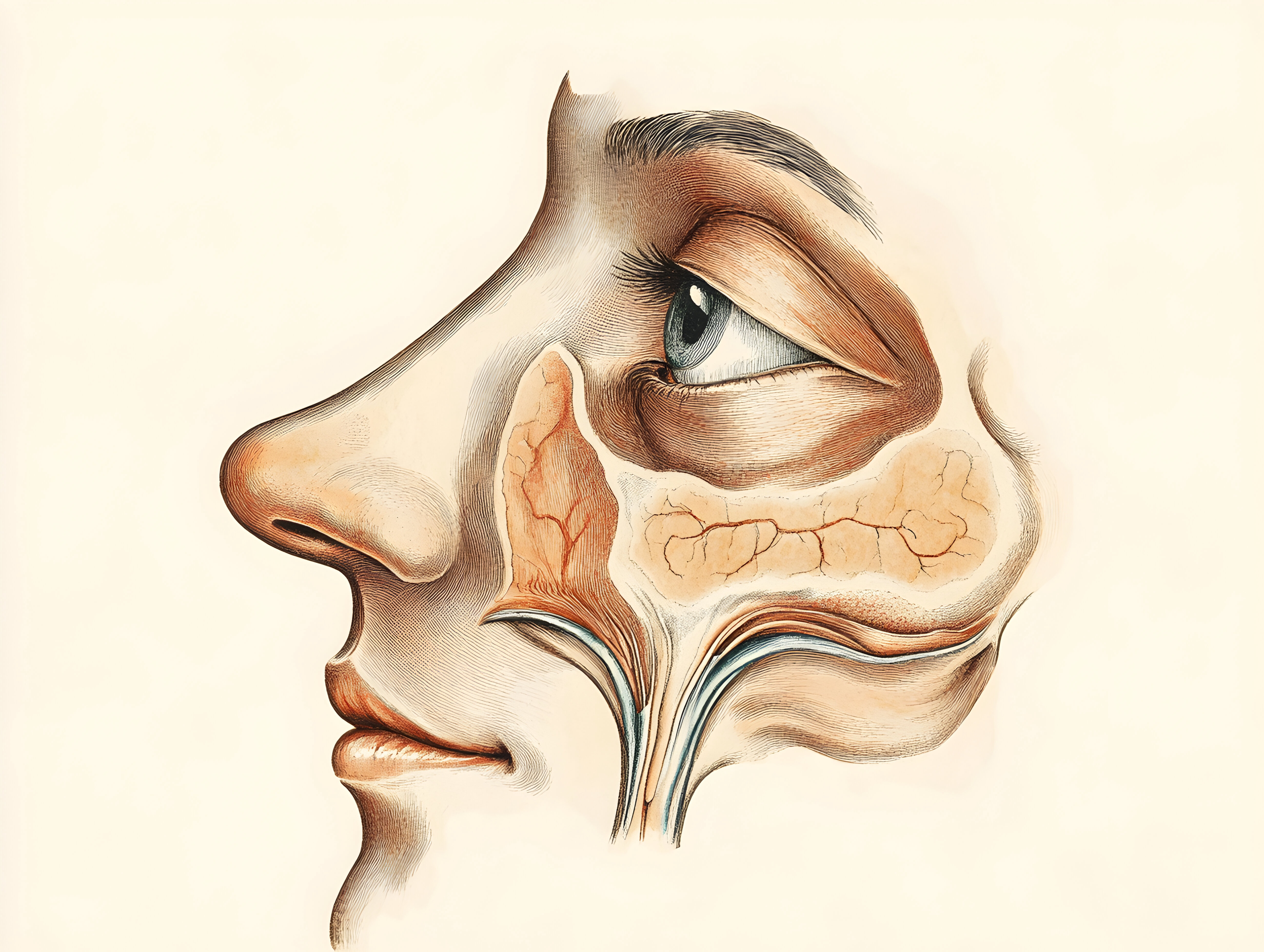
What is Bell’s Palsy?
Bell’s Palsy is a condition that causes temporary weakness or paralysis of the facial muscles on one side of the face. It occurs due to inflammation of the seventh cranial nerve (facial nerve), which controls facial expressions.
Symptoms
The symptoms usually appear suddenly and may include:
- Facial deviation toward the unaffected side while smiling
- Inability to close the eye on the affected side
- Inability to wrinkle the forehead on the affected side
- Drooling of saliva from the affected side of the mouth
- Increased sensitivity to sound in one ear
- Excessive tearing or dryness of the affected eye
Causes
The exact cause of Bell’s Palsy is not always clear. It is commonly associated with viral infections, particularly the herpes simplex virus (HSV). Other contributing factors may include:
- Ear infections
- Autoimmune responses causing nerve inflammation
- Diabetes
- Pregnancy, especially during the third trimester
Diagnosis
Diagnosis is primarily based on the patient’s medical history and detailed physical examination. Imaging studies such as MRI or CT scan and nerve conduction tests may be performed to exclude other causes like stroke, tumors, or neurological disorders.
Treatment
Treatment aims to reduce inflammation, promote nerve recovery, prevent complications, and should ideally begin as early as possible. Common treatment options include:
- Corticosteroids to reduce inflammation of the facial nerve
- Antiviral medications when a viral cause is suspected
- Artificial tears and eye patching to protect the affected eye
- Facial physiotherapy and exercises to improve muscle strength and tone
Recovery
Most patients begin to show improvement within two to three weeks, with complete recovery usually occurring within three to six months. A small percentage of individuals may experience persistent facial weakness, muscle tightness, or involuntary movements despite treatment.
More Services
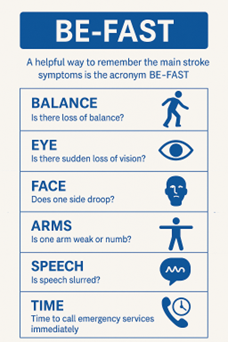
Brain Stroke or Cerebrovascular accident (CVA)
A brain stroke is a medical emergency that occurs when blood flow to the brain reduces

Epilepsy (Fits)
Epilepsy (fits) is a neurological disorder characterized by a tendency to have recurrent

Meningitis and Encephalitis
Meningitis & Encephalitis (Brain Infections): Symptoms, Causes, and Care

Alzheimers Disease (Dementia)
Alzheimer’s disease (Dementia) is a progressive, neurodegenerative disorder characterized by gradual decline in memory.



Multiple Sclerosis (MS)
Multiple Sclerosis (MS) is a chronic, potentially disabling autoimmune disease
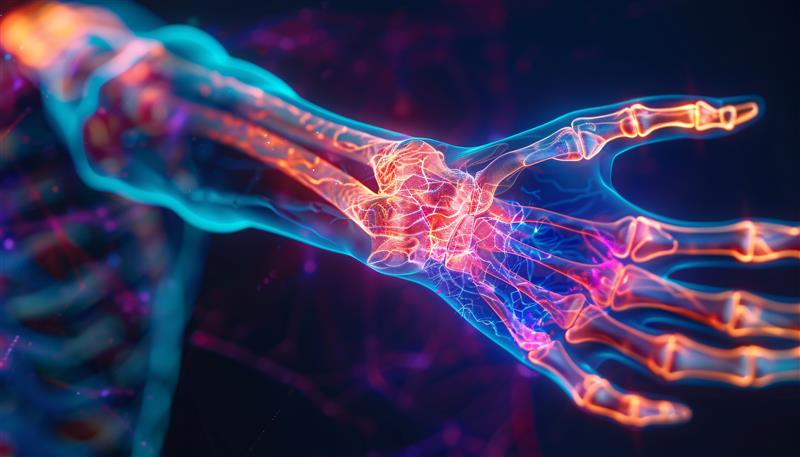
Neuropathy (Nerve Damage)
Neuropathy, or peripheral neuropathy is a condition where nerves outside the brain


Vertigo Causes Symptoms and Treatment
Vertigo is a sensation of spinning or dizziness, often described as feeling

Guillain-Barre Syndrome or GB-Syndrome
Guillain-Barre Syndrome (GBS) is a rare but serious neurological disorder in which the body’s immune system