Guillain-Barre Syndrome or GB-Syndrome

What is Guillain-Barré Syndrome (GBS)?
Guillain-Barré Syndrome (GBS) is a rare but serious neurological disorder in which the body’s immune system mistakenly attacks the peripheral nerves. It often begins suddenly and can progress rapidly, leading to muscle weakness and, in severe cases, breathing difficulties.
What Causes GBS?
GBS is most commonly triggered by an infection, usually a respiratory or gastrointestinal illness. In some cases, it may occur after certain vaccinations. Although the exact cause is not fully understood, an abnormal immune response leads to inflammation and damage of the peripheral nerves.
Common Symptoms
- Tingling or weakness starting in the legs and spreading to the arms and upper body
- Difficulty walking or climbing stairs
- Bilateral facial weakness
- Breathing difficulties in severe cases
Diagnosis
Diagnosis of Guillain-Barré Syndrome is based on clinical symptoms and supported by investigations such as nerve conduction studies and lumbar puncture to analyze cerebrospinal fluid. Early diagnosis and prompt treatment are crucial to prevent progression and complications.
Treatment
GBS is a medical emergency that requires hospitalization. Emergency treatments such as intravenous immunoglobulin (IVIG) or plasmapheresis (plasma exchange) can shorten the course of the illness and reduce severity. Supportive care, including respiratory support and physical therapy, plays a vital role in recovery.
Prognosis
Most individuals with Guillain-Barré Syndrome recover fully or are left with only mild residual weakness. Recovery may take several weeks to months, and early treatment significantly improves outcomes.
When to Seek Medical Help
Immediate consultation with a Neurologist is essential if there is rapidly progressive weakness, especially following a recent infection. Prompt medical attention can be life-saving.
More Services
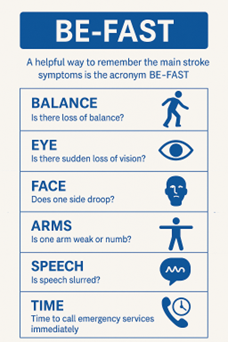
Brain Stroke or Cerebrovascular accident (CVA)
A brain stroke is a medical emergency that occurs when blood flow to the brain reduces

Epilepsy (Fits)
Epilepsy (fits) is a neurological disorder characterized by a tendency to have recurrent

Meningitis and Encephalitis
Meningitis & Encephalitis (Brain Infections): Symptoms, Causes, and Care
Alzheimers Disease (Dementia)
Alzheimer’s disease (Dementia) is a progressive, neurodegenerative disorder characterized by gradual decline in memory.


Multiple Sclerosis (MS)
Multiple Sclerosis (MS) is a chronic, potentially disabling autoimmune disease
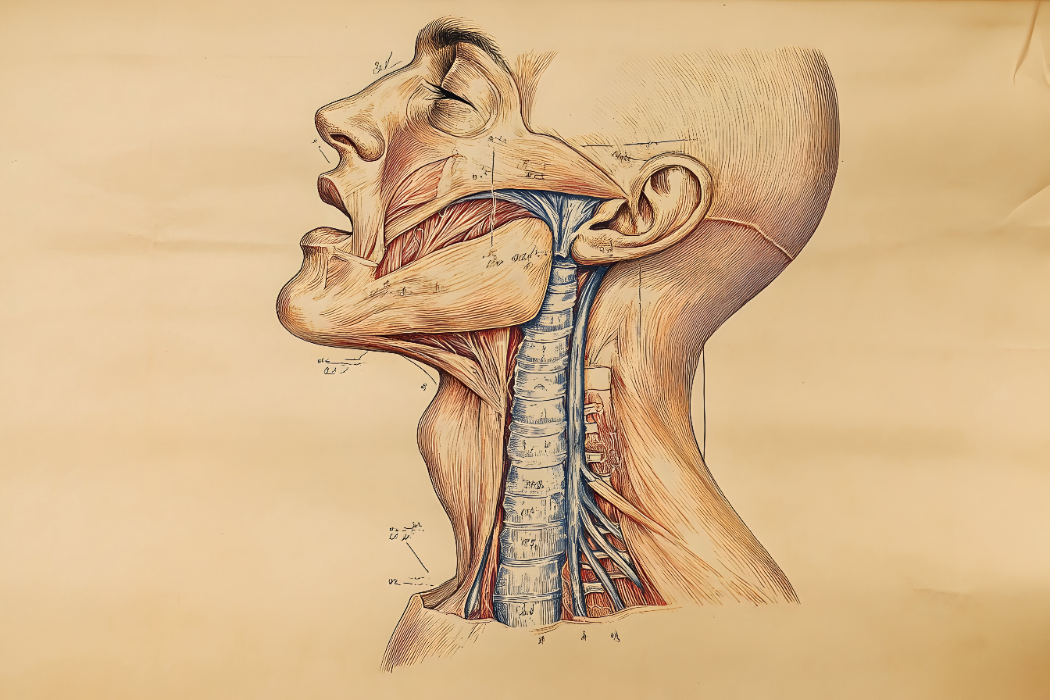
Bells Palsy (Sudden Facial Muscle Weakness)
Bell's Palsy is a condition that causes temporary weakness or paralysis
Neuropathy (Nerve Damage)
Neuropathy, or peripheral neuropathy is a condition where nerves outside the brain


Vertigo Causes Symptoms and Treatment
Vertigo is a sensation of spinning or dizziness, often described as feeling