Brain Stroke or Cerebrovascular accident (CVA)
What is a Brain Stroke?
A brain stroke is a medical emergency that occurs when blood flow to the brain reduces or stops, as in Ischemic stroke (most commonly in the Middle Cerebral Artery), or when a blood vessel bursts, as in Hemorrhagic stroke (brain bleed). These blocks or breaks prevent oxygen and nutrients from reaching brain cells, causing them to die quickly. Strokes are a leading cause of severe long-term disability and death worldwide, threatening millions annually.
Transient Ischemic Attack (TIA)
A Transient Ischemic Attack (TIA), often called a mini-stroke, is a short-term blockage of blood flow to the brain. It usually lasts from a few minutes to a few hours and does not cause permanent damage. However, it serves as a warning sign indicating the potential of a near-future stroke.
Risk Factors for Brain Stroke
- Age-related changes in blood vessels and the heart; increasing concern in young adults due to lifestyle habits.
- Men experience strokes more frequently, but women often face more severe outcomes.
- Certain medical conditions: high blood pressure, diabetes, high cholesterol, and heart disease.
- Smoking and alcohol consumption.
Brain Stroke Symptoms
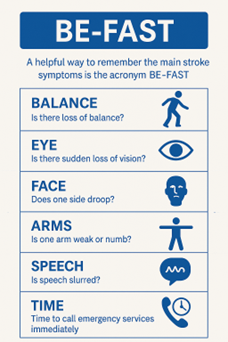
Recognizing the warning signs early is crucial. Symptoms typically appear suddenly and may include:
- Sudden numbness or weakness in the face, arm, or leg, usually on one side of the body
- Slurred speech
- Sudden confusion or trouble understanding speech
- Dizziness, loss of balance, or lack of coordination
- Sudden, intense headache with no known cause
- Nausea or vomiting
- Seizures
- Brief loss of consciousness
Diagnosis of Brain Stroke (CVA)
Urgent brain imaging such as CT scan or MRI with MR Angiography (including the Middle Cerebral Artery) and various blood tests to identify risk factors are essential.
Treatments for Brain Stroke
Visit a hospital to consult a Neurologist immediately. Treatment depends on the stroke type:
-
Ischemic stroke:
- Emergency IV thrombolysis: within 4.5 hours
- Endovascular therapy (thrombectomy): up to 24 hours if there is large vessel occlusion
- Antiplatelet or anticoagulant medications
-
Hemorrhagic stroke (Brain Bleed):
- Treatment depends on the cause and location of bleeding (may include blood pressure control, reversal of blood thinners, or surgery).
Measures to Reduce Stroke Risk
Adopting healthy habits and staying aware can significantly lower your risk:
- Eat a balanced diet rich in fruits, vegetables, whole grains, and healthy fats; limit salt, sugar, and unhealthy fats.
- Regularly monitor and manage high blood pressure, diabetes, and dyslipidemia.
- Quit smoking to protect brain and heart health.
- Exercise regularly—aim for at least 30 minutes of moderate-intensity activity per day, 5 days a week (e.g., brisk walking, swimming, cycling).
Emergency Reminder
Stroke is an emergency. If you notice sudden facial drooping, arm weakness, or speech difficulty, seek immediate medical help.
More Services

Epilepsy (Fits)
Epilepsy (fits) is a neurological disorder characterized by a tendency to have recurrent
Meningitis and Encephalitis
Meningitis & Encephalitis (Brain Infections): Symptoms, Causes, and Care
Alzheimers Disease (Dementia)
Alzheimer’s disease (Dementia) is a progressive, neurodegenerative disorder characterized by gradual decline in memory.


Multiple Sclerosis (MS)
Multiple Sclerosis (MS) is a chronic, potentially disabling autoimmune disease
Bells Palsy (Sudden Facial Muscle Weakness)
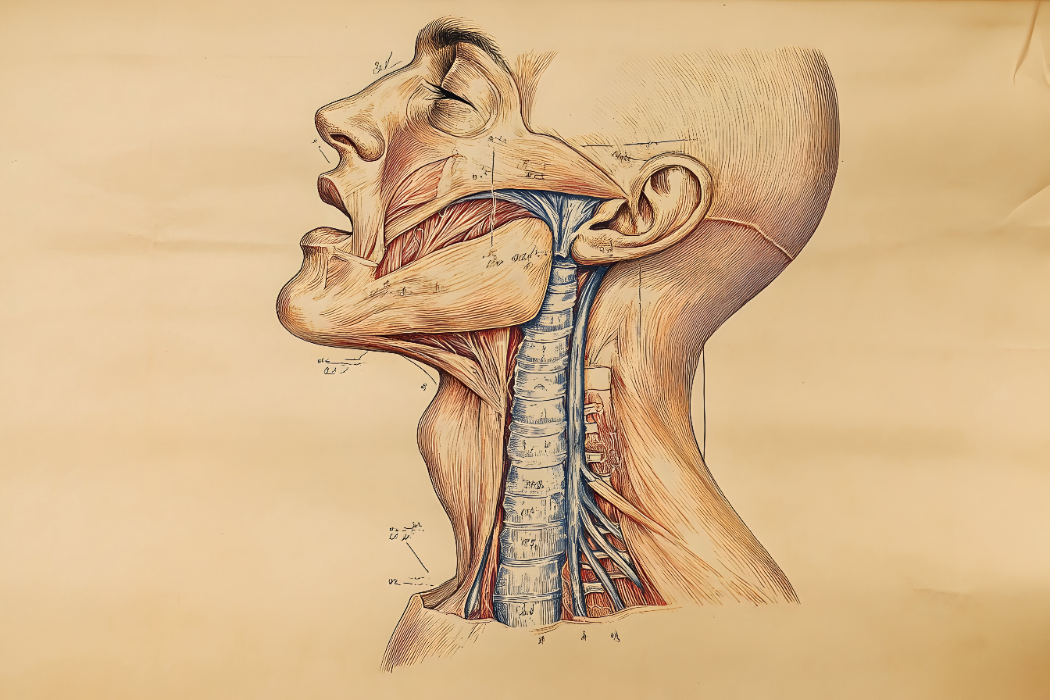
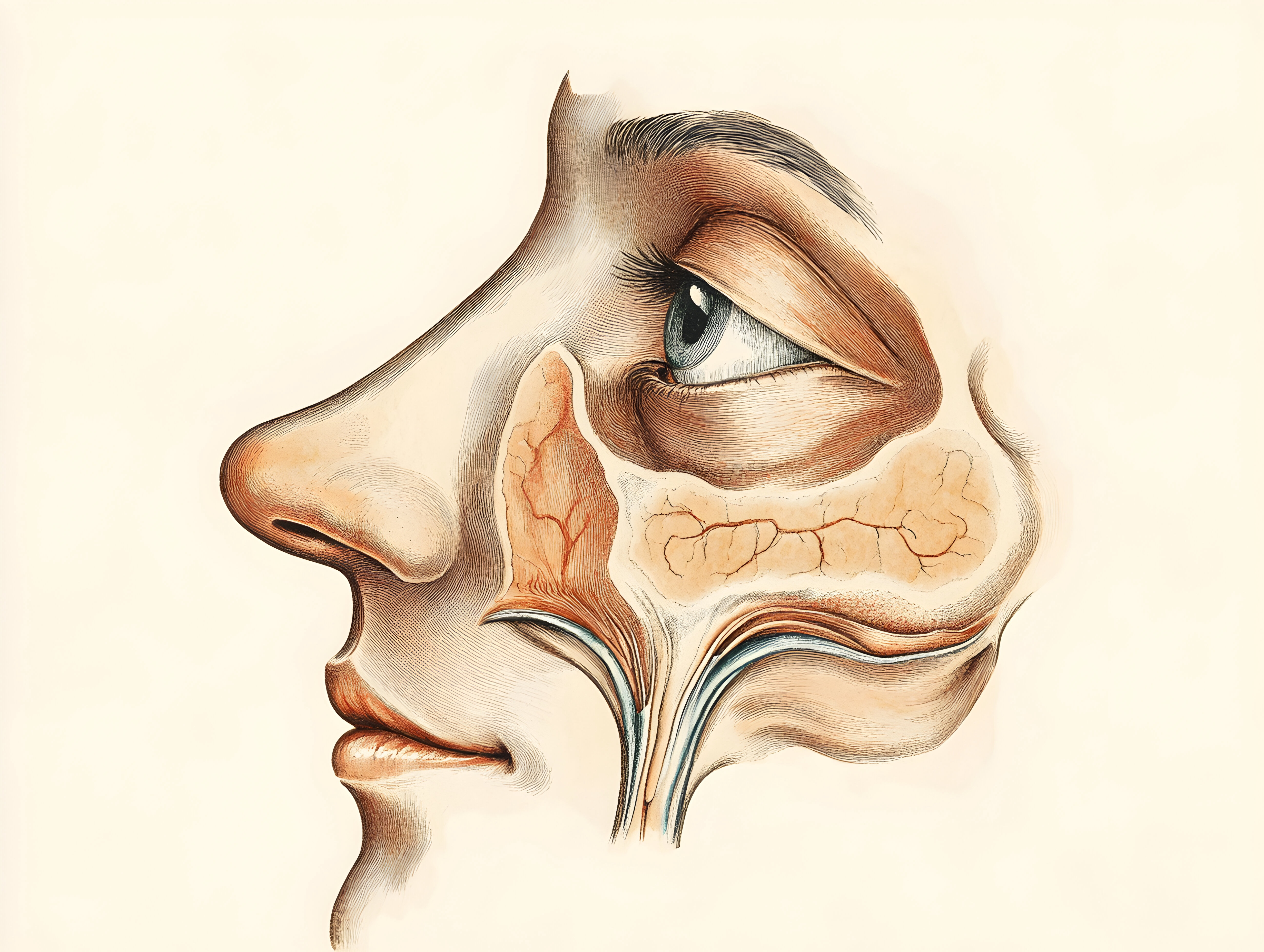
Bell's Palsy is a condition that causes temporary weakness or paralysis
Neuropathy (Nerve Damage)
Neuropathy, or peripheral neuropathy is a condition where nerves outside the brain

Vertigo Causes Symptoms and Treatment
Vertigo is a sensation of spinning or dizziness, often described as feeling
Guillain-Barre Syndrome or GB-Syndrome
Guillain-Barre Syndrome (GBS) is a rare but serious neurological disorder in which the body’s immune system