Parkinsons Disease

What is Parkinson’s Disease?
Parkinson’s disease is a chronic, progressive neurological disorder that primarily affects movement. It occurs due to degeneration of dopamine-producing nerve cells in the substantia nigra of the brain. As dopamine levels decline, movements become slower and more difficult to perform.
Key Symptoms
The hallmark symptoms of Parkinson’s disease usually develop gradually and may include:
- Tremors (shaking of hands, arms, or legs at rest)
- Bradykinesia (slowness of movement)
- Muscle stiffness or rigidity
- Postural instability and balance problems
In addition to motor symptoms, many individuals experience non-motor symptoms such as:
- Loss of sense of smell
- Sleep disturbances
- Constipation
- Fatigue
- Depression and anxiety
Causes and Risk Factors
The exact cause of Parkinson’s disease is not fully understood. It is believed to result from a combination of genetic susceptibility and environmental factors. The risk increases with advancing age, most commonly after 60 years, and men are slightly more likely to develop the condition. Exposure to certain toxins or history of head injury may also contribute.
Diagnosis
Diagnosis of Parkinson’s disease is primarily based on:
- Detailed medical history
- Comprehensive neurological examination
- Brain imaging such as MRI or PET scans to support diagnosis and exclude other conditions
Treatment
Treatment focuses on controlling symptoms and improving quality of life. Management options include medications to restore dopamine balance, Deep Brain Stimulation (DBS) in selected cases, and supportive therapies such as physical therapy, speech therapy, and occupational therapy.
Promising Scope and Long-term Care
Parkinson’s disease affects each individual differently. With an appropriate and personalized treatment plan, many people continue to live fulfilling and productive lives for years after diagnosis. Ongoing care involving neurologists, therapists, and support systems plays a vital role.
Early diagnosis, regular follow-up, personalized care, and maintaining an active lifestyle are key to slowing disease progression and preserving independence for as long as possible.
More Services
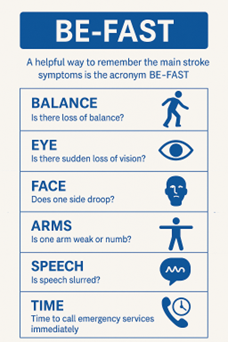
Brain Stroke or Cerebrovascular accident (CVA)
A brain stroke is a medical emergency that occurs when blood flow to the brain reduces

Epilepsy (Fits)
Epilepsy (fits) is a neurological disorder characterized by a tendency to have recurrent

Meningitis and Encephalitis
Meningitis & Encephalitis (Brain Infections): Symptoms, Causes, and Care
Alzheimers Disease (Dementia)
Alzheimer’s disease (Dementia) is a progressive, neurodegenerative disorder characterized by gradual decline in memory.

Multiple Sclerosis (MS)
Multiple Sclerosis (MS) is a chronic, potentially disabling autoimmune disease
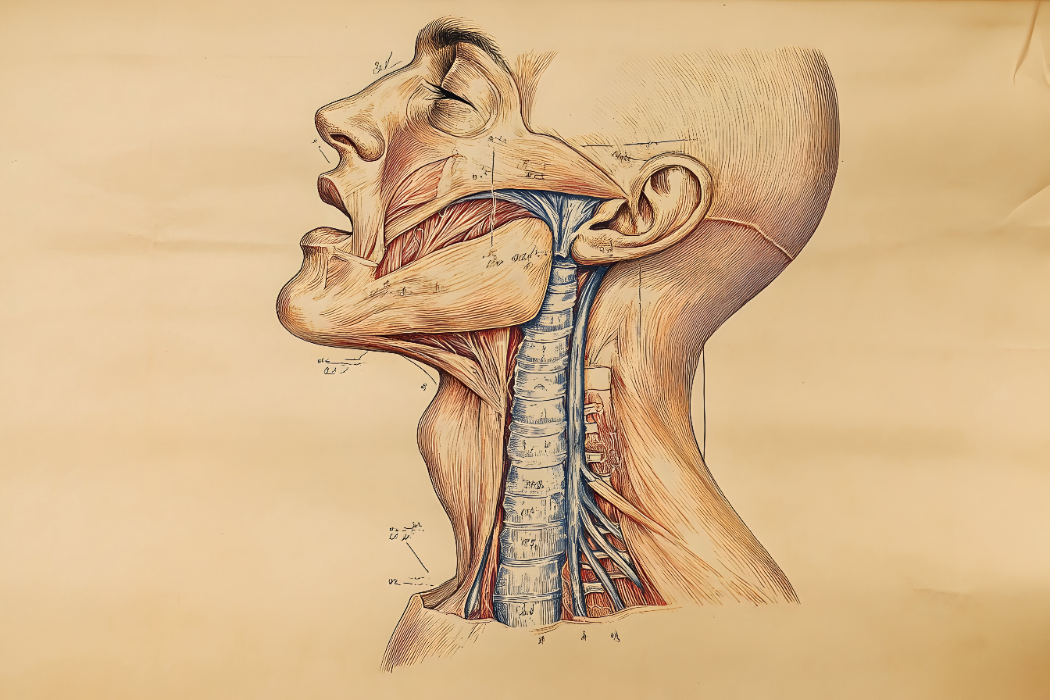
Bells Palsy (Sudden Facial Muscle Weakness)
Bell's Palsy is a condition that causes temporary weakness or paralysis
Neuropathy (Nerve Damage)
Neuropathy, or peripheral neuropathy is a condition where nerves outside the brain

Vertigo Causes Symptoms and Treatment
Vertigo is a sensation of spinning or dizziness, often described as feeling

Guillain-Barre Syndrome or GB-Syndrome
Guillain-Barre Syndrome (GBS) is a rare but serious neurological disorder in which the body’s immune system