Neuromuscular diseases
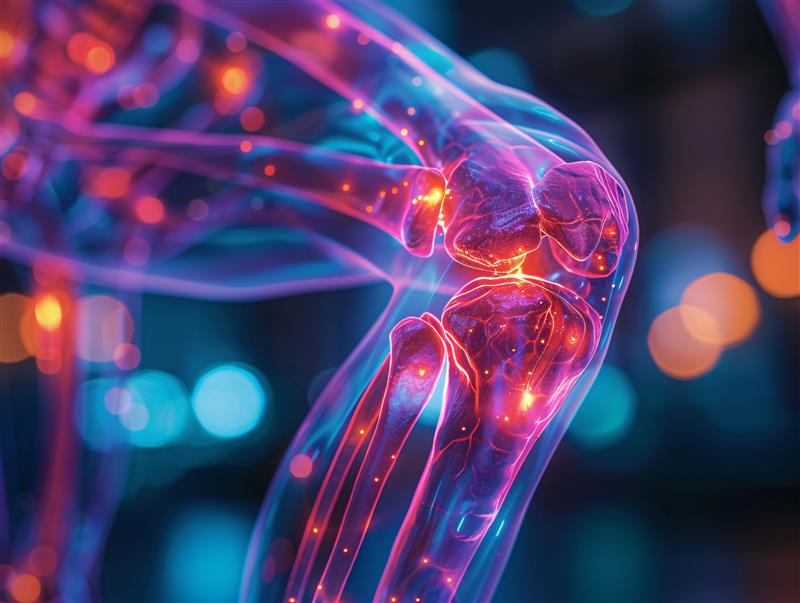
What are Neuromuscular Disorders?
Neuromuscular disorders are a group of conditions that affect the nerves and muscles responsible for voluntary movement. These disorders may involve:
- Peripheral nerves
- Nerve–muscle junction (neuromuscular junction)
- Muscles
Damage to any of these components can result in muscle weakness, muscle wasting, numbness, or difficulty with movement. Neuromuscular diseases can affect individuals of all ages, although certain conditions are more common in specific age groups.
There are more than 150 recognized types of neuromuscular disorders. Some of the most common conditions include:
-
Amyotrophic Lateral Sclerosis (ALS):
A condition in which nerve cells controlling muscles degenerate, leading to progressive weakness and muscle loss.
-
Muscular Dystrophies:
A group of inherited disorders characterized by progressive muscle weakness and degeneration.
-
Spinal Muscular Atrophy:
A genetic disorder causing loss of motor neurons in the spinal cord, resulting in muscle wasting.
-
Myasthenia Gravis:
An autoimmune disease in which communication between nerves and muscles is impaired, causing muscle weakness.
-
Charcot-Marie-Tooth Disease:
A genetic disorder affecting peripheral nerves, leading to muscle weakness, foot drop, and sensory loss.
-
Guillain-Barré Syndrome:
An autoimmune condition that causes rapid nerve damage and paralysis, often following an infection.
-
Peripheral Neuropathies:
Disorders affecting peripheral nerves, resulting in numbness, pain, or weakness, such as diabetic neuropathy.
Symptoms
Symptoms vary depending on the specific disorder but commonly include:
- Muscle weakness and muscle wasting
- Tingling, numbness, or paresthesia, especially in the hands or feet
- Muscle cramps, twitching, or stiffness at rest or during activity
- Poor coordination or balance, causing difficulty with walking or daily activities
- Difficulty with swallowing, breathing, or speaking in advanced stages
- Abnormal sensations such as burning pain, tingling, or shooting pain, particularly in neuropathies
Diagnosis
Diagnosis begins with a detailed medical history and physical examination. Further investigations may include:
- Blood tests to assess muscle enzymes, vitamin deficiencies, or autoimmune markers
- Electrodiagnostic tests such as Electromyography (EMG) and Nerve Conduction Studies (NCS)
- Imaging studies, genetic testing, and muscle or nerve biopsy when required
Treatment
Treatment depends on the underlying condition and focuses on symptom control, slowing disease progression, and improving quality of life. Management options include:
- Medications such as symptomatic drugs, immunosuppressants, and corticosteroids
- Physical therapy, occupational therapy, and speech or swallow therapy
- Assistive devices including braces or wheelchairs to support mobility
- Lifestyle modifications such as healthy diet, regular exercise, and control of underlying conditions like diabetes
- Surgical intervention to relieve nerve compression in selected cases
- Genetic counseling to guide patients and family members regarding inherited conditions
More Services
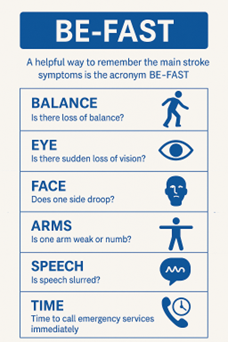
Brain Stroke or Cerebrovascular accident (CVA)
A brain stroke is a medical emergency that occurs when blood flow to the brain reduces

Epilepsy (Fits)
Epilepsy (fits) is a neurological disorder characterized by a tendency to have recurrent

Meningitis and Encephalitis
Meningitis & Encephalitis (Brain Infections): Symptoms, Causes, and Care
Alzheimers Disease (Dementia)
Alzheimer’s disease (Dementia) is a progressive, neurodegenerative disorder characterized by gradual decline in memory.


Multiple Sclerosis (MS)
Multiple Sclerosis (MS) is a chronic, potentially disabling autoimmune disease
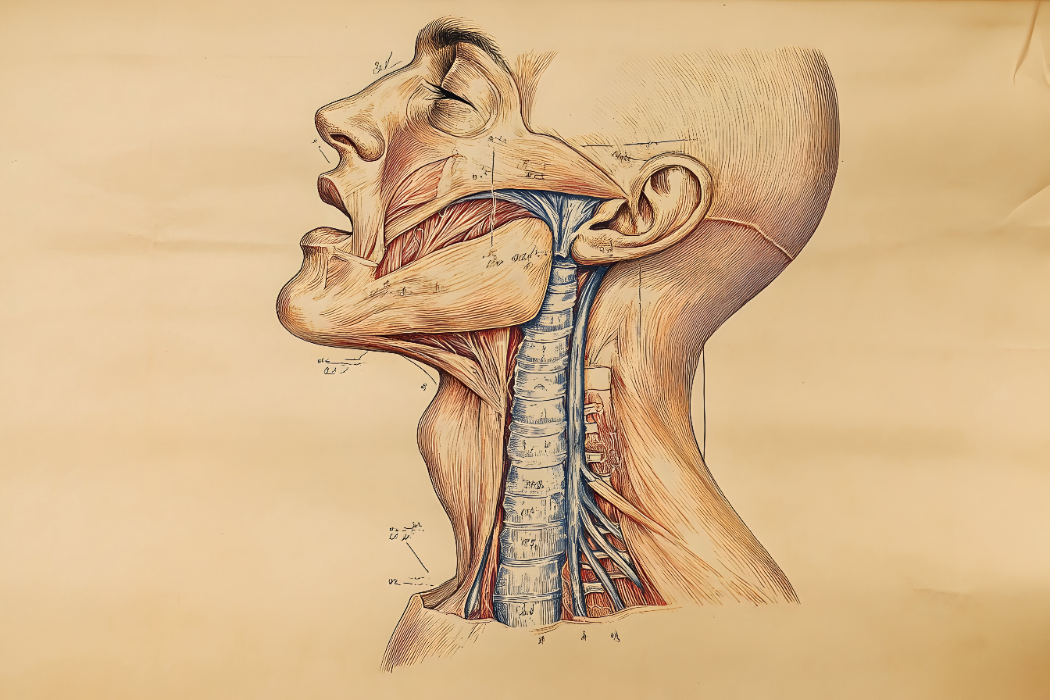
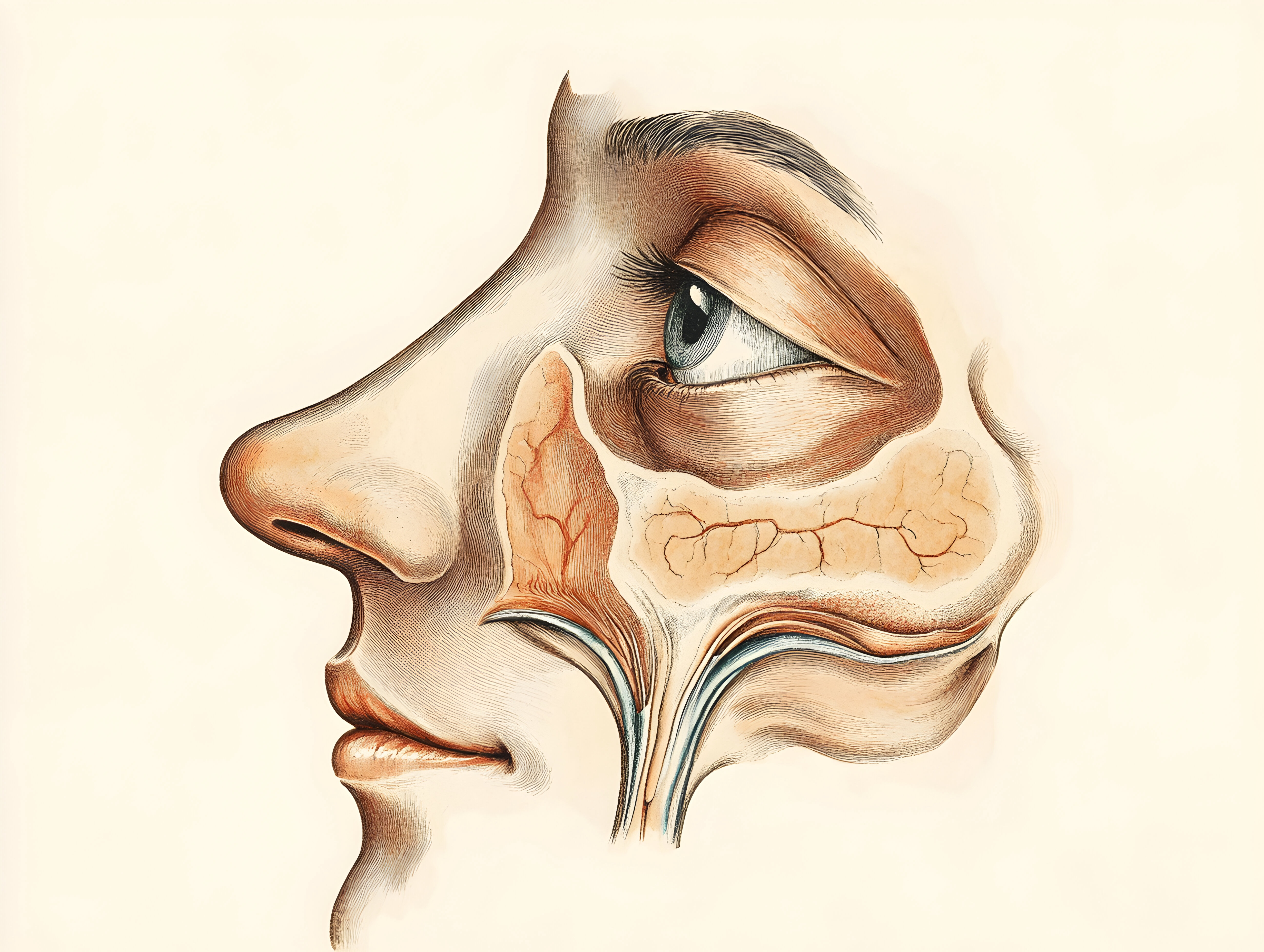
Bells Palsy (Sudden Facial Muscle Weakness)
Bell's Palsy is a condition that causes temporary weakness or paralysis
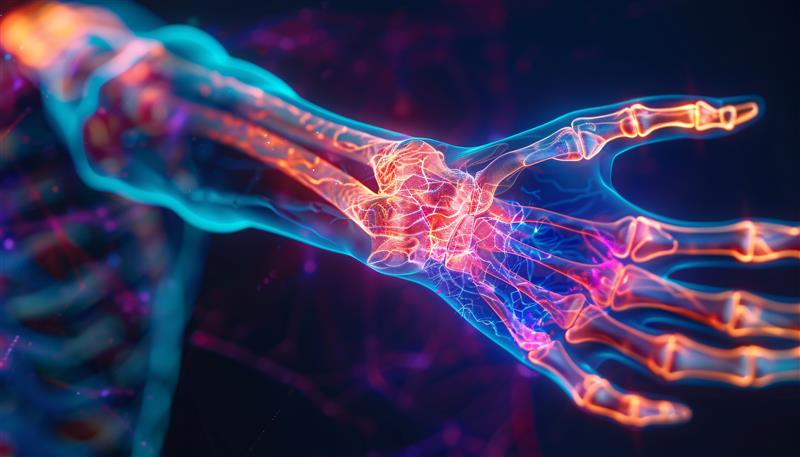
Neuropathy (Nerve Damage)
Neuropathy, or peripheral neuropathy is a condition where nerves outside the brain

Vertigo Causes Symptoms and Treatment
Vertigo is a sensation of spinning or dizziness, often described as feeling

Guillain-Barre Syndrome or GB-Syndrome
Guillain-Barre Syndrome (GBS) is a rare but serious neurological disorder in which the body’s immune system