Meningitis and Encephalitis

What are Meningitis and Encephalitis?
Meningitis is inflammation of the meninges, the protective membranes surrounding the brain and spinal cord. Encephalitis is inflammation of the brain tissue itself. Both conditions are medical emergencies and can lead to life-threatening complications if not treated promptly.
Symptoms
Symptoms of meningitis and encephalitis often overlap and may include:
- High fever
- Severe headache
- Sensitivity to light (photophobia)
- Nausea and vomiting
- Confusion, drowsiness, irritability, or altered mental status
- Seizures
- Stiff neck (more common in meningitis)
- Loss of consciousness or coma in severe cases
- In infants: bulging soft spot (fontanelle), poor feeding, or high-pitched crying
Causes
-
Bacterial Meningitis:
Commonly caused by Streptococcus pneumoniae, Neisseria meningitidis, or Haemophilus influenzae. This form can be life-threatening and requires urgent treatment.
-
Viral Encephalitis:
Caused by viruses such as herpes simplex virus, enteroviruses, or mosquito-borne viruses like Japanese Encephalitis. These are generally milder than bacterial infections but can still be serious.
-
Other Causes:
Fungal infections, parasites, tuberculosis, autoimmune disorders, or post-infectious inflammation.
Diagnosis
- Detailed clinical examination
- Blood tests and neuroimaging such as CT scan or MRI with contrast
- Lumbar puncture (spinal tap) to analyze cerebrospinal fluid
Treatment
Immediate hospitalization is required. Appropriate antibiotics or antiviral medications are started under specialized supervision and care of a Neurologist, as both mortality and morbidity are high if treatment is delayed.
Prevention
- Vaccinations including meningococcal, pneumococcal, Hib, and Japanese encephalitis vaccines
- Mosquito control and protective measures in endemic areas
- Prompt treatment of infections before complications develop
More Services
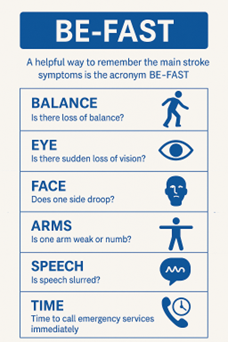
Brain Stroke or Cerebrovascular accident (CVA)
A brain stroke is a medical emergency that occurs when blood flow to the brain reduces

Epilepsy (Fits)
Epilepsy (fits) is a neurological disorder characterized by a tendency to have recurrent
Alzheimers Disease (Dementia)
Alzheimer’s disease (Dementia) is a progressive, neurodegenerative disorder characterized by gradual decline in memory.


Multiple Sclerosis (MS)
Multiple Sclerosis (MS) is a chronic, potentially disabling autoimmune disease
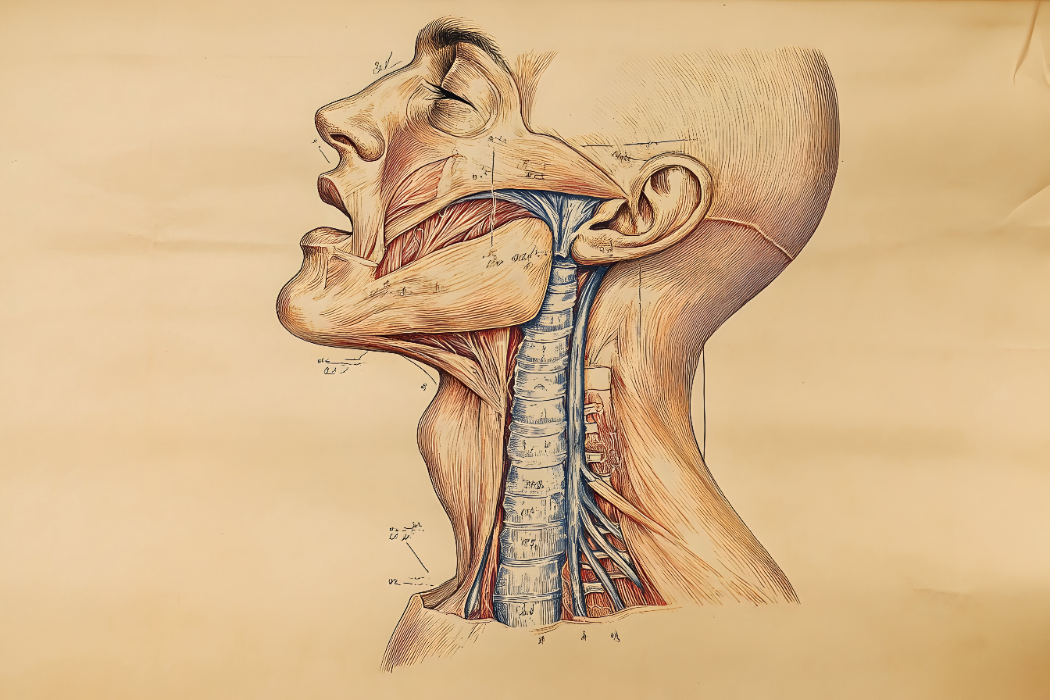
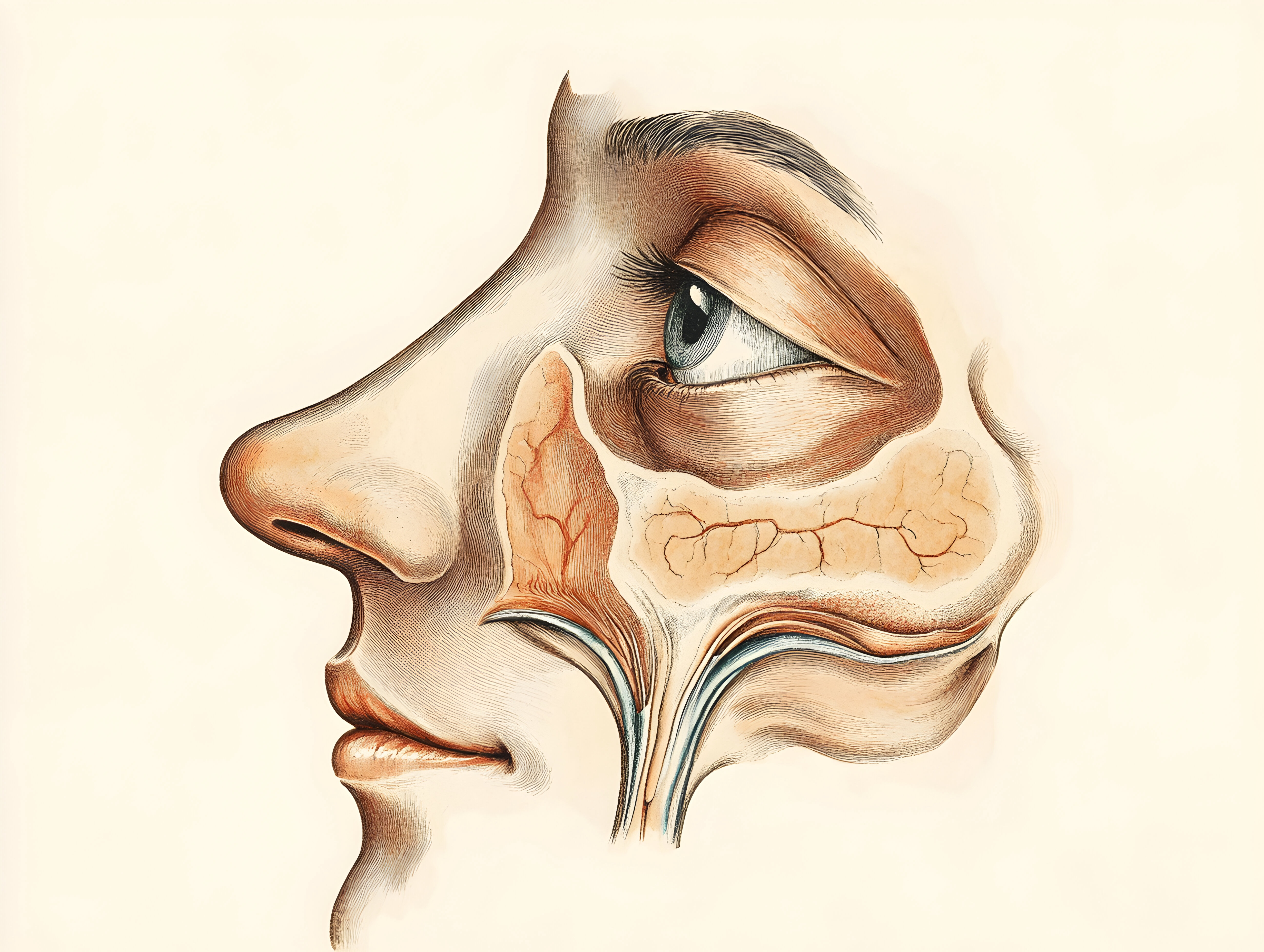
Bells Palsy (Sudden Facial Muscle Weakness)
Bell's Palsy is a condition that causes temporary weakness or paralysis
Neuropathy (Nerve Damage)
Neuropathy, or peripheral neuropathy is a condition where nerves outside the brain

Vertigo Causes Symptoms and Treatment
Vertigo is a sensation of spinning or dizziness, often described as feeling

Guillain-Barre Syndrome or GB-Syndrome
Guillain-Barre Syndrome (GBS) is a rare but serious neurological disorder in which the body’s immune system